
A DIY project can save money and give you a real sense of accomplishment, but not every home repair belongs on your weekend to-do list. Some systems are so complex, so tightly regulated, or so dangerous to get wrong that a small mistake can turn into a five-figure repair bill or a safety hazard for your family. Knowing where to draw the line between a satisfying weekend project and a job that needs a licensed expert is one of the smartest decisions a homeowner can make. This guide breaks down the major home systems you should leave to the professionals, and why each one carries risks that go far beyond a bruised ego.
Electrical Panels and Wiring Upgrades

Your home’s electrical panel is the nerve center of every outlet, light, and appliance in the house, and miswiring it can cause fires, electrocution, or costly code violations. The National Fire Protection Association links tens of thousands of home fires each year to electrical failures, many traceable to loose connections, overloaded circuits, or improper installations that a professional would have caught. Even seemingly simple tasks like replacing a breaker or adding a new circuit require an understanding of load calculations, grounding, and local code requirements that most homeowners never learn. For example, putting a 20-amp breaker on wiring rated for 15 amps can let a circuit run hotter than it should without tripping, silently increasing fire risk for months before anyone notices. Panel upgrades also often require calculating total household load in amps to make sure a new 100-amp or 200-amp service can actually handle the demands of modern HVAC systems, EV chargers, and appliances. Permitting adds another layer most DIYers underestimate. Most jurisdictions require an inspection after panel or circuit work, and an unpermitted job can complicate a home sale, void your homeowner’s insurance claim, or force you to redo the work entirely to pass inspection later. A licensed electrician also carries insurance that protects you if something goes wrong during the work, which a DIY attempt never will. If a mistake causes a fire or injury, that insurance is often the only thing standing between you and tens of thousands of dollars in liability.
Beyond the immediate danger, faulty electrical work can void your homeowners insurance policy or fail inspection when you go to sell the house. Most insurers require that electrical work meet code, and a claim tied to a fire or damage from unpermitted work can be denied outright, leaving you to cover repairs entirely out of pocket. That risk alone makes DIY panel work a gamble most homeowners can’t afford. Permits are almost always required for panel upgrades, and inspectors know exactly what improperly grounded wiring, undersized breakers, or overloaded circuits look like. A 200-amp panel swap, for instance, involves coordinating with your utility company to disconnect service, something a licensed electrician handles routinely but an unpermitted DIYer often gets flagged for immediately. Skipping the permit doesn’t just risk a failed inspection; it can also mean ripping out finished walls later to prove the work was done correctly. Paying for professional help upfront is far cheaper than paying twice, once for the botched DIY job and again for the professional fix. A panel upgrade typically runs $1,500 to $4,000 depending on amperage and complexity, but correcting a failed DIY attempt can cost significantly more once an electrician has to undo mistakes before starting the job properly. When you factor in the potential for house fires, insurance disputes, and stalled home sales, hiring a licensed electrician isn’t just the safer choice, it’s the more economical one.
Gas Lines and Furnace Connections
Natural gas leaks are odorless until a chemical additive is used to create that rotten-egg smell, and even then, a small leak can go unnoticed long enough to become dangerous. Connecting or disconnecting a gas line to a furnace, water heater, or stove involves precise fittings and pressure testing that only a trained technician should perform. A single loose connection can lead to carbon monoxide poisoning or an explosion, and there is no margin for guesswork here.
Routine HVAC service appointments are the safest way to keep gas-powered heating and cooling equipment running efficiently without putting your household at risk. Technicians who specialize in HVAC service are trained to spot corrosion, cracked heat exchangers, and venting problems that an untrained eye would miss entirely. Scheduling seasonal checkups also extends the life of the equipment, which saves money over the long run.
Water Supply and Drain Line Repairs
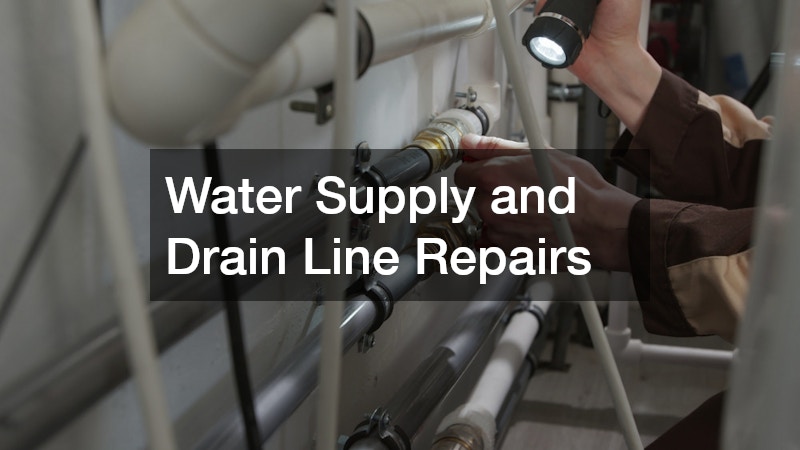
Plumbing looks simple from the outside, a pipe carries water in and another carries it out, but the reality involves slope calculations, venting requirements, and material compatibility that trip up even confident DIYers. A poorly sealed joint or an incorrectly pitched drain line can cause slow leaks that rot subfloors and framing long before you notice a problem. Because water damage is cumulative and often hidden behind walls, a mistake made today might not show up as a soggy ceiling for months.
Professional plumbing services also come with warranties on both labor and materials, so if something fails down the line, you are not left covering the cost twice. Trained plumbers use pressure testing equipment and camera inspections to verify a repair actually solved the underlying issue rather than masking a symptom. For anything beyond replacing a faucet washer or unclogging a sink with a plunger, calling in plumbing services is the safer financial decision.
Roof Framing and Structural Decking
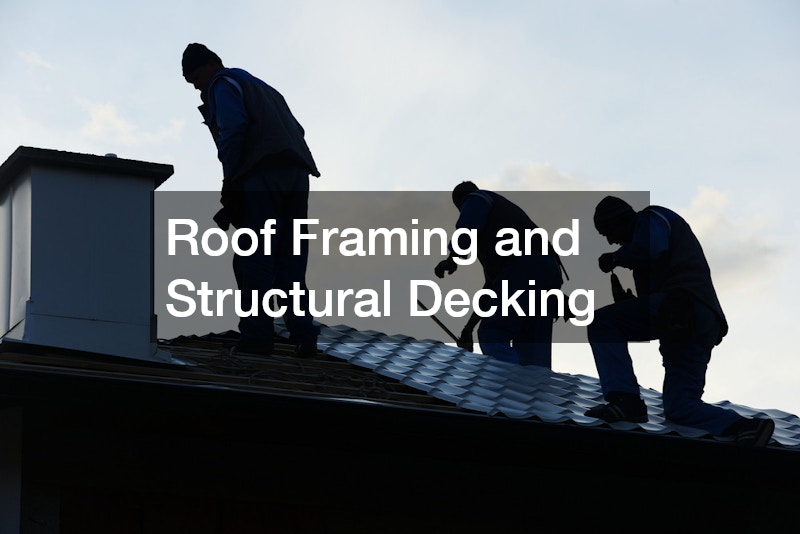
Replacing a few shingles is one thing, but working on the structural layer underneath is an entirely different level of risk. Many modern homes and commercial buildings use roof metal decking as the structural base beneath insulation and roofing membrane, and altering or repairing it requires knowledge of load ratings, fastening patterns, and welding or screw-down techniques specific to the material. Get the fastening spacing wrong and you risk a roof that cannot handle wind uplift or snow load, which can lead to a partial collapse.
Working at height on a sloped or flat roof also introduces a fall risk that homeowners consistently underestimate, especially when metal decking becomes slippery in wet or frosty conditions. Roofing contractors who specialize in this material carry fall protection equipment and know how to identify corrosion or fatigue in the decking before it becomes a structural failure. This is a job where the cost of a mistake is measured in both dollars and personal safety.
Foundation Cracks and Settling Issues
A hairline crack in a basement wall might be cosmetic, but it might also be an early warning sign of soil movement, water intrusion, or a settling foundation that needs immediate attention. The clues are often in the shape: vertical cracks tend to be less alarming, while diagonal cracks running at 30 to 75 degrees, horizontal cracks, or cracks wider than a quarter inch can signal structural movement that will only worsen without intervention. Diagnosing the difference requires understanding soil composition, drainage patterns, and how the specific crack pattern relates to the structure’s load path. Expansive clay soils that swell when wet and shrink when dry, for instance, exert uneven pressure on foundations that can take years to fully reveal itself, while poor grading or clogged gutters can funnel water against the foundation and accelerate erosion beneath footings. A structural engineer can also check for related warning signs a homeowner might miss, like doors and windows that stick, uneven floors, or gaps forming between walls and ceilings. Guessing wrong and patching over a serious issue with caulk or hydraulic cement can allow the underlying problem to worsen for years. Cosmetic fixes may even mask the visual evidence an engineer would need to properly diagnose the cause, making the eventual repair more invasive and expensive. Real fixes, such as installing helical piers, underpinning, or regrading the property, involve engineering calculations and permitting that are far beyond a weekend DIY project, and mistakes here can compromise the entire home’s structural integrity.
- Horizontal cracks often indicate lateral pressure from soil or hydrostatic force — these are among the most serious and warrant immediate engineering evaluation
- Stair-step cracks in brick or block walls usually point to uneven settling, often widening toward one end (a gap of more than 1/4 inch signals significant movement)
- Vertical cracks wider than 1/8 inch, or ones that run through multiple courses of block, suggest structural movement rather than normal curing shrinkage
- Doors and windows that suddenly stick, or develop uneven gaps around the frame, can signal a shifting foundation rather than seasonal humidity
- Gaps between the wall and ceiling, or where interior walls meet the floor, are a common early symptom that’s easy to dismiss as cosmetic
- Sloping or bouncy floors, especially near load-bearing walls, often mean support beams or footings below are failing
- A structural engineer can pinpoint whether the cause is soil expansion, poor drainage, or an undersized foundation — DIY patching only masks the symptom while the underlying movement continues
Not every crack in a foundation signals disaster, but hairline cracks that widen, stair-step patterns in brick, or doors and windows that suddenly stick are signs the structure is shifting. Once movement is underway, guesswork only makes things worse. This is a job for a structural engineer or a foundation repair company that can diagnose what’s actually happening beneath your home. A structural engineer or a company specializing in foundation repair can install push piers, helical piers, or drainage systems designed for your home’s exact soil conditions. The right fix depends heavily on factors like soil composition, moisture levels, and how deep the load-bearing strata sit, which is why proper diagnostics matter more than the repair method itself. Push piers, for instance, are often driven 20 to 50 feet down to reach stable bedrock, something no homeowner has the equipment or training to do safely. These repairs typically come with transferable warranties, which matter if you plan to sell the home in the future — buyers and their lenders will often ask for documentation proving the issue was professionally resolved. A DIY patch job, even one that looks fine cosmetically, can tank a sale or trigger a much larger repair bill down the road if the underlying movement was never addressed. Foundation repair is one area where getting a second opinion before signing a contract is always worth the extra time. Costs can range from a few thousand dollars for minor pier installations to well over $20,000 for extensive underpinning, so a second assessment can also help you avoid overpaying for unnecessary work.
Load-Bearing Wall Removal
Open-concept floor plans are popular, and it is tempting to knock down a wall yourself to create that airy feeling, but not every wall is safe to remove without additional support. Load-bearing walls transfer the weight of the roof and upper floors down to the foundation, and removing one without installing a properly sized beam can cause sagging ceilings, cracked drywall, or worse. Determining which walls are load-bearing often requires reviewing the original architectural plans or having a professional inspect the framing in person.
This is also a task where local home builders bring valuable expertise, since they understand span tables, beam sizing, and the permitting process required for structural modifications. Many municipalities require an inspection before and after this type of work, and skipping that step can create serious liability if you sell the home later. Consulting with home builders early in the planning stage can also help you avoid discovering mid-project that the wall houses critical plumbing or electrical lines.
Sewer Line Excavation and Repair
Tree roots, ground shifting, and aging pipe materials all contribute to sewer line failures, and repairing them almost always involves excavation equipment and knowledge of local utility locations. Digging without first calling to have utility lines marked can result in hitting a gas line or electrical conduit, turning a plumbing repair into an emergency. Sewer repairs also require precise slope to keep wastewater flowing correctly, and even a small error can cause backups for years.
Trenchless repair methods like pipe lining or pipe bursting have made sewer repairs less invasive than they once were, but these techniques still require specialized equipment that homeowners cannot rent at a typical hardware store. Because of the mess involved, many homeowners also end up needing help clearing out damaged materials, soil, and old fixtures once the work is finished, which is where junk removal companies can be a practical resource for hauling away debris quickly and responsibly.
Heavy Fixture and Countertop Installation

Installing new counters seems straightforward until you realize how heavy natural stone actually is and how precisely it needs to be supported. A granite counter can weigh well over a hundred pounds per section, and improper support or uneven cabinets can cause the stone to crack under its own weight after installation. Professional installers use templating tools to ensure a precise fit around sinks, cooktops, and edges before the stone is ever cut.
The same caution applies to other heavy or custom-fit countertops made from quartz, marble, or engineered materials, since each requires different adhesives, sealants, and support structures. Attempting to lift and set these materials alone also creates a real risk of back injury or dropping a slab that costs thousands of dollars to replace. When it is time to update a kitchen or bathroom, hiring a professional to handle the measuring, cutting, and setting of countertops protects both your body and your investment.
Outdoor Structures and Exterior Shading Systems
Exterior additions like pergolas, retractable shading, and mounted awnings might look like simple carpentry projects, but they involve wind load calculations and proper anchoring into your home’s exterior structure. An improperly mounted awning can pull away from the siding during a storm, causing water intrusion and exterior damage that is expensive to repair. Manufacturers often specify exact mounting hardware and spacing requirements that vary based on your home’s siding material and local wind zone.
Getting the exterior right also extends to the ground around your house, since a home’s curb appeal and drainage depend on more than just the structure itself. Choosing the right landscaping products, from proper grading soil to permeable pavers, can prevent water from pooling near the foundation and undoing the structural work you have already invested in. Coordinating exterior additions with your overall drainage plan helps every part of your home’s exterior work together instead of against each other.
The systems covered here share one thing in common: the cost of a mistake almost always outweighs the money saved by doing it yourself. Before you pick up a tool for a project involving your home’s structure, utilities, or major fixtures, take the time to research licensed professionals in your area and get at least two quotes for comparison. Your home is likely your largest financial asset, and protecting it with qualified expertise is not an expense, it is insurance against much larger problems down the road.
