
Home improvement projects do not cost the same price tag year-round, even when the materials and labor involved stay identical. Contractors adjust pricing based on demand, weather conditions, and how booked their schedules are during different months, which means the calendar can matter as much as your budget. Understanding when to schedule each project can save hundreds or even thousands of dollars without sacrificing quality. This guide breaks down the major home systems and upgrades that fluctuate most with the seasons, so you can time your next project wisely.
Cooling System Repairs and Tune-Ups
Summer is peak season for anything related to cooling your home, which means it is also the most expensive time to schedule AC repair. When temperatures spike, demand surges and many homeowners find themselves waiting days for an appointment while paying premium rates for emergency service. Scheduling maintenance in early spring, before the first heat wave hits, almost always results in faster service and lower prices.
Booking during the off-season also gives technicians more time to diagnose problems thoroughly rather than rushing through a fix to get to the next emergency call. Many AC companies offer discounted tune-up packages in March and April specifically to fill slower schedules before summer demand kicks in. Taking advantage of these seasonal specials can extend the life of your unit and catch small issues before they become costly breakdowns.
- Spring tune-ups typically cost 20 to 40 percent less than emergency summer repairs
- Technicians have more availability to source replacement parts without rush shipping fees
- Early scheduling helps you avoid the multi-day wait times common in July and August
- Preventive maintenance in the off-season can reduce the likelihood of a midsummer breakdown
Lawn Watering Systems and Spring Installation
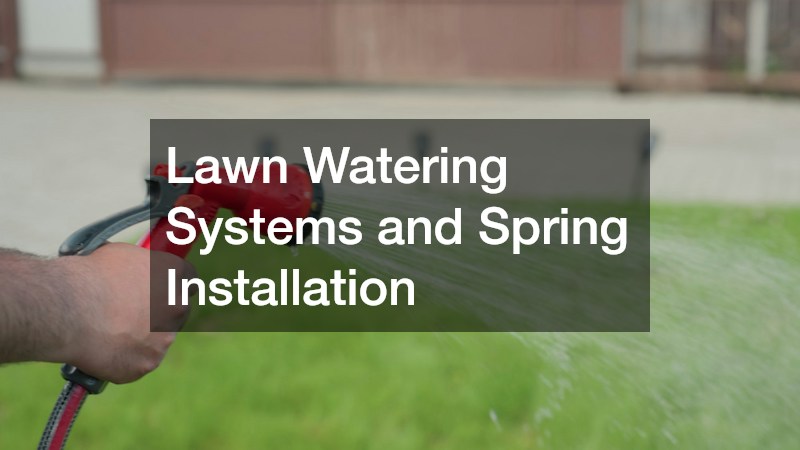
Installing an irrigation system is one of those projects where timing affects both cost and long-term performance. Late winter and early spring are ideal windows because installers are not yet buried in summer landscaping requests, and the ground is typically easier to work with before it hardens under summer heat. Waiting until June or July often means paying a premium simply because every other homeowner had the same idea once their lawn started browning.
Beyond pricing, early installation gives your system time to be tested and adjusted before the hottest months arrive, when consistent watering matters most. Contractors installing systems in the off-season can also spend more time calibrating zones and sprinkler heads properly instead of rushing through the job. A well-timed install means your landscaping gets exactly the coverage it needs right when it counts.
Roof Inspections and Storm Season Planning
Roofing costs shift dramatically depending on regional weather patterns, and roofers tend to be busiest immediately after major storms roll through an area. If a hailstorm or hurricane hits your region, expect longer wait times and higher prices as crews work through a backlog of insurance claims and emergency repairs. In the weeks following a severe storm, quotes can run 20-30% higher than normal, and it’s not unusual to wait four to eight weeks just to get a crew on your roof. Scheduling a routine inspection before storm season begins can help you catch minor issues while contractors still have flexible availability. Late winter or early spring, before hurricane or hailstorm season ramps up, is typically the slowest stretch for roofers, which means more room to negotiate on price and timing. An inspection during this window often costs $150-$400 and can catch loose flashing, cracked shingles, or worn sealant before they become costly emergency repairs. It’s also worth checking with your insurance provider about timing requirements, since some policies require documented pre-storm inspections to support future claims. Pairing an inspection with minor preventative repairs in the off-season — rather than waiting until damage forces your hand — typically costs a fraction of what emergency storm-season work demands.
Late fall and winter, in many climates, are considered slower periods for roofing work, which can translate into pricing that’s 10-20% lower than peak summer rates, along with more attentive service from crews who aren’t juggling a packed schedule. With fewer jobs competing for attention, contractors often have more room to accommodate detailed inspections, custom material orders, or scheduling flexibility that simply isn’t available in June or July. Some homeowners hesitate to schedule roof work in cooler months, assuming cold weather makes installation risky or unreliable. In reality, many materials, including asphalt shingles and certain synthetic underlayments, can still be installed safely as long as temperatures stay within manufacturer guidelines, typically above 40°F for proper sealing. Contractors experienced in cold-weather installation often adjust techniques, such as hand-sealing shingle tabs that wouldn’t bond as quickly in the cold, to ensure long-term performance isn’t compromised. This slower season is also a smart time to book air conditioning services, since HVAC technicians have more flexibility before the spring rush begins. Scheduling a tune-up or replacement in the off-season can mean shorter wait times, easier access to preferred equipment models, and a better chance of locking in pre-season pricing before demand spikes. Getting ahead of storm season rather than reacting to it is one of the smartest ways to control roofing costs. A proactive inspection in late fall can catch loose flashing, worn seals, or weakened decking before winter storms turn a minor repair into a major, emergency-priced replacement.
- Spring and early summer inspections catch winter damage — ice dam cracks, loosened shingles, flashing gaps — before it worsens into leaks or deck rot
- Post-storm demand can increase prices by 15 percent or more in affected regions, with severe hail or hurricane events sometimes pushing costs even higher due to contractor shortages
- Off-season scheduling often means shorter lead times for material delivery, since suppliers aren’t backlogged filling emergency orders
- Booking in fall or winter (where climate allows) can also secure better contractor availability and more attention to detail on the job
- Routine inspections twice a year help avoid surprise structural repairs by catching small issues while they’re still cheap fixes
- Pairing one inspection with spring cleanup and another before storm season gives a reliable, low-cost maintenance rhythm
Septic Systems and Soil Conditions

Few homeowners think about their septic system until something goes wrong, but timing a routine checkup strategically can save money and hassle. Septic inspections are easiest to schedule and typically less expensive in late summer or early fall, when the ground is dry and accessible, compared to spring when soil is saturated from snowmelt and rain. Wet conditions make it harder for inspectors to assess drain fields accurately, which can lead to incomplete evaluations or additional service calls.
Scheduling this maintenance before winter also ensures any necessary repairs are completed before the ground freezes, which can complicate excavation work significantly. Homeowners who wait until a backup occurs often pay emergency rates and face more invasive repairs than if the issue had been caught during a routine seasonal check. A dry-weather inspection is a small investment that can prevent a much larger one down the road.
Outdoor Living Spaces and Contractor Availability
Building a deck is a popular warm-weather project, which unfortunately means custom deck builders are often booked solid from late spring through midsummer. Homeowners who plan ahead and schedule their project in late winter or very early spring frequently find more competitive pricing and shorter wait times for design consultations. Contractors appreciate the lead time, since it allows them to order custom materials without the rush fees associated with peak season demand.
Off-season planning does not mean construction happens in freezing temperatures, but rather that the design, permitting, and material ordering process starts earlier. This approach means your deck can be among the first projects built once weather allows, rather than waiting in a long queue behind homeowners who called in May. Getting your name on a builder’s calendar early is often the single biggest factor in controlling the final price.
Home Safety Upgrades for Aging Family Members

Small safety upgrades like handrail installation are often overlooked until an accident happens, but these projects are actually some of the most affordable to schedule strategically. Because this type of work is less weather-dependent than roofing or paving, contractors often have more flexible availability during the colder months when bigger outdoor projects slow down. Scheduling this kind of upgrade in late fall or winter can mean faster turnaround and more attention from installers who are not juggling a dozen other jobs.
These upgrades are especially important for homes with elderly residents or anyone recovering from surgery, since stairs and uneven walkways become significantly more dangerous without proper support. Taking care of this project during a slower season also allows time to evaluate other areas of the home that might benefit from similar modifications. A little planning now can prevent a fall-related injury later, which makes this one of the more practical seasonal investments a homeowner can make.
Driveway Resurfacing and Temperature Requirements
Asphalt paving is highly sensitive to temperature, which makes timing especially important for both cost and durability. Most contractors recommend paving when temperatures consistently stay above 50 degrees Fahrenheit, which generally limits the ideal window to late spring through early fall depending on your region. Scheduling outside of peak summer months, such as in early May or late September, can help you avoid the busiest and most expensive weeks of the season.
Paving too early or too late in questionable weather can lead to a driveway that does not cure properly, resulting in cracking or shifting well before its expected lifespan. Homeowners who book during shoulder season often get more attention to detail since crews are not rushing between back-to-back jobs. Asking a contractor about their slower weeks can sometimes unlock a lower rate without compromising the quality of the finished surface.
- Early spring and early fall often offer better pricing than peak summer months
- Proper curing time depends heavily on consistent, moderate temperatures
- Booking during shoulder season can reduce wait times by several weeks
- Rushed summer schedules sometimes lead to less careful prep work
New Construction Projects and Market Demand

Working with a home builder on new construction or a major addition involves a different kind of seasonal consideration, since pricing is influenced as much by material costs and labor demand as by weather. Many builders experience a surge in contract signings during spring, as families aim to move before the following school year, which can mean higher costs and longer timelines. This seasonal rush can also strain the availability of lumber, concrete, and skilled subcontractors, sometimes adding 5-10% to overall project costs during peak months. Starting conversations in late fall or winter often gives homeowners more negotiating room and access to a builder’s full attention before their schedule fills up. Builders facing a slower season may be more willing to discount materials, waive certain fees, or offer upgraded finishes just to keep crews busy and cash flow steady. Winter groundbreaking also means framing and interior work often align with spring completion, putting homeowners ahead of the line when demand picks back up. It’s worth noting that regional climate plays a role here too. In colder states, winter builds may require additional costs for ground thawing or weather protection, which can offset some of the savings from off-season timing. In milder climates, however, winter remains one of the most cost-effective windows to break ground, since builders have steadier material access and fewer scheduling conflicts than during the spring rush.
Material costs for lumber and other essentials can also fluctuate seasonally, so locking in pricing during a slower quarter sometimes protects against mid-project cost increases. Lumber prices, for example, often dip in late fall and winter when demand from builders slows, while spring tends to bring price spikes as construction activity ramps up nationwide. Locking in a materials contract before that seasonal surge can save thousands of dollars on a mid-size build. Builders who are not stretched thin across multiple active sites tend to communicate more consistently and catch design issues earlier in the process. During peak season, a general contractor might be juggling five or six active projects, which means slower callbacks, rushed site visits, and less time spent double-checking specs before materials are ordered. In the off-season, that same contractor may only be managing one or two builds, giving them more bandwidth to flag problems like a misaligned foundation plan or an electrical layout that doesn’t match the permit. This extra attention often translates into fewer costly change orders down the line. Planning a build around market demand, not just weather, can make a significant difference in both cost and overall experience. Homeowners who start the permitting and design process in late summer or early fall, for instance, can sometimes break ground in winter when contractor schedules open up and material suppliers are more willing to negotiate.
Seasonal timing is one of the most overlooked tools homeowners have for controlling the cost of major upgrades. By researching the slow seasons for each type of contractor and planning projects around weather and demand cycles, you can often secure better pricing, faster service, and more attentive craftsmanship. Start by making a list of the upgrades your home needs most, then map out which months align with lower demand for each one. A little patience and planning now can translate into real savings when it comes time to pick up the phone.
