
Your backyard probably feels like the safest part of your property, the place where kids play and weekend barbecues happen without a second thought. But hidden beneath the grass, tucked into aging structures, or buried in overgrown corners, real hazards can quietly build for years before something goes wrong. Many of these risks are invisible during a casual walk through the yard, which is exactly why they catch homeowners off guard. This guide walks through the most commonly overlooked backyard dangers and what to do about each one.
Aging Outdoor Wiring and Lighting Circuits

Outdoor electrical systems take a beating from rain, freezing temperatures, and constant sun exposure, yet homeowners rarely inspect them until a light stops working or an outlet trips repeatedly. Corroded wiring, cracked conduit, and improperly buried lines near pools, hot tubs, or garden beds can create shock hazards that aren’t obvious just by looking at the yard. Even a small gap in aging conduit lets moisture seep in, and over a few seasons that moisture can degrade insulation enough to energize a fence, light fixture, or metal railing without any visible warning signs. Age is a bigger factor than most people realize. Wiring installed more than 20 years ago often predates modern GFCI (ground fault circuit interrupter) requirements, and older direct-burial cable may sit only a few inches underground instead of the 18-24 inches current code calls for depending on circuit type. That makes it vulnerable to nicks from shovels, aerating equipment, or fence post installation, any of which can create a hidden hazard that surfaces months or years later. A licensed electrician can test ground fault protection at every outdoor outlet and fixture, check that outlets near water sources trip correctly, and confirm that buried lines meet current depth and conduit standards. They’ll also look for warning signs homeowners tend to miss, like warm-to-the-touch outlet covers, flickering landscape lighting, or breakers that trip only in wet weather. This matters most in yards where kids or pets spend a lot of time, since ground contact and wet grass dramatically increase the risk of a serious shock from even a minor fault.
If you’ve added string lights, a fire pit with electric ignition, or a detached shed with its own power run in the last several years, it’s worth having that work reviewed. Many DIY outdoor electrical projects skip weatherproof housings or proper grounding, and residential electricians are trained to spot those shortcuts quickly during a routine inspection. Common issues include extension cords used as permanent wiring, junction boxes left uncovered or buried under mulch, and outlets that lack GFCI protection near pools, hose bibs, or damp soil. Wire nuts wrapped in electrical tape instead of housed in a proper weatherproof box are another frequent find — they may work fine for a season or two before moisture creeps in and corrodes the connection. Age matters too. Outdoor circuits installed more than 15 years ago often predate current GFCI and bonding requirements, and buried cable that isn’t rated for direct burial can degrade well before any visible sign of trouble appears. A licensed inspector can pull a panel schedule, test breaker trip times, and check whether buried lines meet the depth and conduit standards required in your area. The cost of a professional review is minor compared to the risk: outdoor wiring faults are a leading cause of residential shock injuries and can also spark landscaping or mulch fires that go undetected until real damage is done.
- Flickering or dimming outdoor lights, especially after rain — often a sign that moisture has infiltrated a connection or junction box
- Outlets that feel warm or trip the breaker frequently, which can indicate overloaded circuits or degraded internal wiring
- GFCI outlets that won’t reset or won’t stay reset, a common symptom of aging or waterlogged components
- Exposed or brittle wiring near garden beds and walkways, where digging, mowing, and freeze-thaw cycles accelerate wear
- Extension cords used as permanent power solutions instead of properly rated outdoor circuits — a major fire and shock hazard
- Buried cables without proper conduit protection, especially runs installed more than 15-20 years ago before modern code requirements
- Outdoor electrical panels or timers showing rust, corrosion, or insect nests, all signs of compromised weatherproofing
Buried Fuel Lines and Storage Tank Wear
Homes that rely on oil-based systems for heating often have tanks or supply lines running through the backyard, and these can degrade without any visible surface signs. A slow leak from a heating oil tank can contaminate soil long before a homeowner notices a smell or a spike in fuel usage. Older tanks, especially those installed decades ago, should be inspected regularly since corrosion tends to start from the inside out.
If your property still uses an above ground or buried tank, ask a qualified technician to check fittings, gauges, and the tank’s structural integrity at least once a year. Catching a small leak early is far less disruptive and costly than dealing with soil remediation after a tank fails.
- Unexplained fuel odor near the yard or basement
- Rusty or discolored patches on tank exteriors
- A sudden increase in fuel consumption
- Soft or discolored soil near a buried tank location
Uneven Patios and Walkway Trip Points

Cracked pavers, shifting stone, and settling concrete are some of the most common backyard injuries waiting to happen, yet homeowners often chalk them up to normal wear rather than a safety issue. Ground movement from freeze-thaw cycles or poor initial installation can cause patios and walkways to heave unevenly over time. A hardscaping contractor can assess whether the problem is cosmetic or a sign of deeper base or drainage issues that will keep getting worse.
Beyond tripping hazards, uneven hardscaping often points to water pooling in the wrong places, which can accelerate erosion under the surface. Addressing the base material and grading during a repair, rather than just patching the visible crack, tends to prevent the same problem from returning within a year or two.
- Pavers that rock or shift underfoot
- Cracks wider than a quarter inch
- Standing water on or near the patio surface
- Sections of walkway that have visibly sunk
Slow Drains That Signal Bigger Yard Problems

A sluggish outdoor drain or a soggy patch near a downspout might seem like a minor annoyance, but it’s often an early warning sign of a clogged or damaged drainage line. Tree roots, dirt buildup, and collapsed sections of pipe are common culprits, and left unaddressed, they can lead to standing water that becomes a breeding ground for mosquitoes or a slip hazard near patios. Calling a drain cleaning plumber before the problem worsens is usually far cheaper than dealing with a full excavation later.
Persistent backups near an exterior drain can also indicate that water is being pushed toward your foundation instead of away from it. Since backyard drainage and foundation health are closely connected, it’s worth treating slow drains as a priority rather than something to monitor indefinitely.
- Water pooling near downspouts or drain covers
- Gurgling sounds from outdoor drains during rain
- Grass that stays soggy days after a storm
- A sulfur or musty smell near drain openings
Roof Runoff and Storm Damage Risks
Your roof plays a bigger role in backyard safety than most people realize, since damaged or aging roofing can send water pouring in unpredictable directions during storms. Loose shingles or rusted flashing can also become airborne debris in high winds, which is a real hazard for anyone in the yard below. If your roof is nearing the end of its lifespan, getting a metal roofing estimate can help you compare long-term durability against the cost of continuing to patch an older system.
Metal roofing tends to hold up better against wind-driven storms and heavy rain, which indirectly reduces the amount of runoff and debris that ends up in your backyard. Even if you’re not ready to replace your roof this year, understanding your options now makes it easier to act quickly if storm damage forces the issue.
- Granules collecting in gutters or on the ground
- Visible sagging or uneven rooflines
- Rusted flashing near chimneys or vents
- Debris in the yard after routine wind, not just major storms
Basement and Foundation Water Intrusion
Backyard grading problems don’t just affect the lawn, they often show up first as dampness or musty odors in a basement or crawlspace. When soil around the foundation slopes toward the house instead of away from it, water has nowhere to go but inside. Waterproofing contractors can evaluate whether the issue is coming from surface grading, gutter placement, or a more serious crack in the foundation wall itself.
Ignoring these signs rarely makes them go away, and moisture problems tend to compound quietly for years before becoming an expensive repair. A yard that slopes correctly, paired with proper exterior drainage, is one of the most effective ways to keep water intrusion from ever becoming a problem in the first place.
- Musty smells in basements or crawlspaces after rain
- Efflorescence, a white chalky residue, on foundation walls
- Peeling paint or bubbling near the base of exterior walls
- Wet spots in the yard that consistently trace back to the house
Overgrown or Structurally Weak Trees
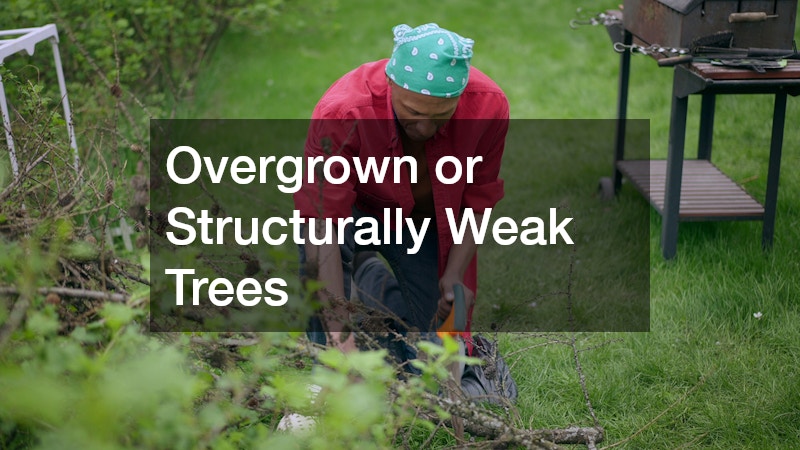
Large trees add tremendous value to a backyard, but overgrown branches, shallow roots, and hidden rot can turn them into serious hazards during storms or high wind. Homeowners often underestimate how much a tree has grown until a limb comes down on a fence, shed, or worse. A tree service can assess canopy health, root stability, and disease that isn’t visible from the ground, especially in older trees that have never been professionally trimmed.
Regular trimming isn’t just about appearance, it also reduces the weight and wind resistance that make large limbs prone to snapping. If a tree sits close to the house, a play structure, or a power line, it’s worth having it evaluated sooner rather than waiting for visible damage to appear.
- Cracks or splits in major limbs or the trunk
- Fungus growing at the base of the tree
- Leaning that has increased noticeably over time
- Branches hanging over the roof, driveway, or play areas
Foundation Cracks From Shifting Backyard Soil
Soil expansion and contraction, especially in areas with heavy clay content, puts constant pressure on a home’s foundation, and backyard landscaping choices can either help or hurt that process. Large trees planted too close to the house, poor drainage, and inconsistent watering patterns all contribute to soil movement that eventually shows up as cracking. Foundation repair companies typically look at these outdoor factors first, since addressing the cause is more effective than repeatedly patching interior cracks.
Small hairline cracks are common and not always urgent, but cracks that widen, run diagonally, or appear alongside sticking doors and windows deserve a professional evaluation. Catching soil-related foundation stress early often means the difference between a minor fix and a major structural repair.
- Cracks wider than an eighth of an inch
- Doors or windows that suddenly stick or won’t close
- Gaps forming between the foundation and exterior siding
- Uneven floors noticeable inside the home
Pool Areas Without Proper Barriers
A backyard pool is one of the biggest attractions for children, which unfortunately also makes it one of the highest-risk areas if it isn’t properly secured. Many older pools rely on nothing more than a gate that’s easy to leave open, rather than a dedicated barrier designed to keep unsupervised access out. Removable pool fencing has become a popular option for homeowners who want strong protection during the swimming season without a permanent structure altering their yard’s look the rest of the year.
Beyond fencing, self-latching gates, pool alarms, and clear sightlines from the house all add layers of protection that reduce the chance of an accident. Even experienced swimmers benefit from these barriers, since most pool incidents involving children happen during moments of brief, unnoticed access rather than during supervised swim time.
- Gates that don’t self-close or self-latch
- Fencing shorter than four feet in height
- Gaps large enough for a small child to slip through
- No clear visual line from common living areas to the pool
Storage Sheds and Outdoor Cabinetry Wear
Outdoor storage areas, including built-in cabinetry near grills or outdoor kitchens, often get overlooked during routine safety checks even though they see heavy use and constant weather exposure. Swollen wood, rusted hinges, and warped doors can create pinch points or collapse risks, especially in cabinetry that wasn’t designed for outdoor conditions in the first place. Reputable cabinet companies build outdoor-rated units with weather-resistant materials specifically to avoid the swelling and rot that plague standard indoor cabinets moved outside.
If your outdoor kitchen or storage area is more than a few years old, it’s worth checking hinges, shelving supports, and any areas where moisture tends to collect. Replacing a few worn components now is a lot simpler than dealing with a full cabinet failure while it’s loaded with tools, propane accessories, or grilling equipment.
- Doors that no longer close flush or latch securely
- Visible swelling or soft spots in wood paneling
- Rust forming on hinges, handles, or support brackets
- Shelving that sags or feels unstable under normal weight
Backyard safety isn’t about eliminating every risk overnight, it’s about knowing where to look and addressing small issues before they become expensive or dangerous problems. Walk your property with this list in hand, paying close attention to drainage, electrical systems, structures, and anything that’s aged without much attention. When something seems beyond a simple DIY fix, bringing in the right professional early can save you significant time, money, and worry down the road. Your backyard should be a place of relaxation, and a little proactive attention goes a long way toward keeping it that way.
