
Making a property more functional and sustainable involves more than adding attractive features or replacing outdated materials. Thoughtful improvements can make everyday activities easier, reduce energy and water consumption, protect buildings from damage, and lower long-term maintenance expenses. Whether a property has a small yard or an extensive outdoor space, owners can make practical changes that support comfort and environmental responsibility. By combining efficient systems, durable materials, responsible landscaping, and preventive maintenance, property owners can create spaces that meet their needs while using resources more efficiently.
Improve Landscaping to Support the Local Environment
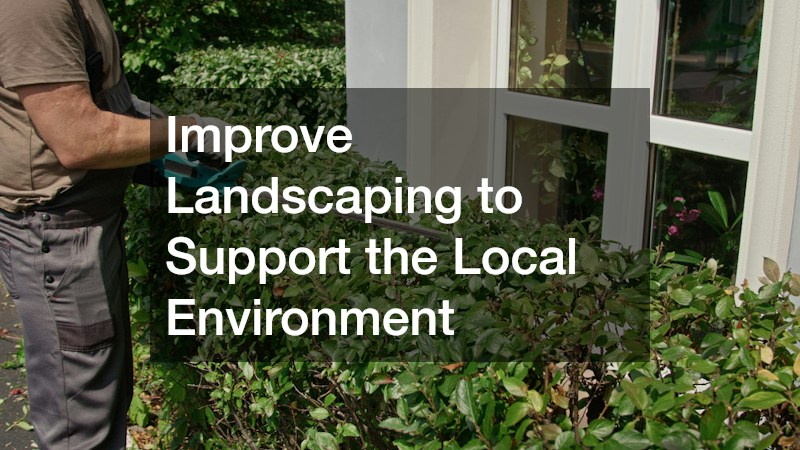
Choose Native Plants and Plan Green Spaces Strategically
Landscaping influences how efficiently a property uses water, manages heat, and supports local ecosystems. Instead of choosing plants based solely on appearance, consider the regional climate, soil conditions, sunlight exposure, and typical rainfall. Native plants are often well-suited to local conditions and may require less supplemental watering once established.
Strategic planting can also improve comfort around buildings. Deciduous trees placed near appropriate windows provide summer shade while allowing sunlight through during colder months. Shrubs and ground cover can reduce erosion, while planting beds help absorb rainwater that might otherwise flow across paved surfaces.
To make landscaping more sustainable:
- Group plants with similar watering needs to prevent unnecessary irrigation.
- Use mulch to retain soil moisture and moderate soil temperatures.
- Choose plants that will not obstruct walkways, damage foundations, or interfere with utilities.
- Replace unnecessary lawn areas with native ground cover or planting beds where appropriate.
These changes can reduce maintenance while making outdoor spaces more resilient to seasonal conditions.
Maintain Trees While Protecting Buildings and Utilities
Trees provide shade, improve property appearance, and support local biodiversity. However, unhealthy trees and overgrown branches can create safety concerns. Regular inspections help identify dead limbs, storm damage, and visible decay before these problems become more serious.
Tree contractors can evaluate tree health, recommend appropriate pruning, and determine whether hazardous trees require removal. Professional assistance is particularly important when branches extend over buildings or trees grow near power lines. Property owners should also consider root growth before planting near foundations, sidewalks, and underground utilities. Preserving healthy trees whenever practical helps maintain environmental benefits while avoiding unnecessary replacement costs.
Reduce Energy Consumption With Practical Property Upgrades
Identify Opportunities to Improve Electrical Efficiency
Reducing electricity consumption can lower utility bills and decrease a property’s environmental impact. Reviewing energy bills helps identify seasonal patterns and unusually high usage. Property owners can then determine whether lighting, appliances, or other electrical systems need improvement.
Replacing incandescent bulbs with light-emitting diode (LED) lighting is a relatively simple upgrade. LEDs generally use less electricity and last longer than traditional bulbs. Motion sensors, timers, and smart controls can further reduce wasted energy in garages, hallways, and exterior spaces.
Electrical contractors can inspect electrical systems, install efficient lighting, and determine whether existing wiring and panels can safely support new equipment. Their expertise is especially valuable when installing electric vehicle charging stations, backup power systems, or high-demand appliances.
Improve Building Performance Before Adding New Equipment
An efficient heating or cooling system may not deliver its full potential if a building has air leaks or inadequate insulation. Improving the building envelope helps maintain comfortable indoor temperatures while reducing the workload on mechanical equipment.
Start by checking weatherstripping around doors, inspecting window seals, and identifying noticeable drafts. Attics, basements, and crawl spaces may also contain gaps that allow conditioned air to escape. Appropriate insulation and air sealing can reduce energy losses while ensuring adequate ventilation to maintain indoor air quality.
Create Outdoor Living Areas That Serve Multiple Purposes
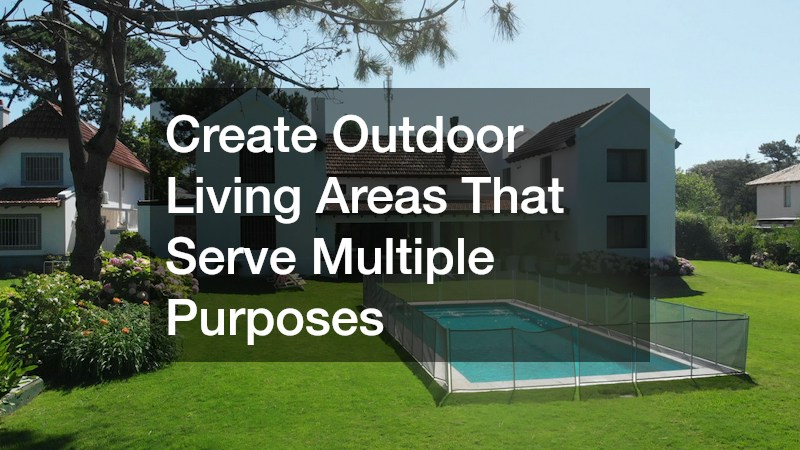
Design Flexible Spaces for Everyday Activities
Outdoor living areas can increase usable space without requiring a major interior addition. A deck, patio, or seating area can support dining, relaxation, gardening, and social gatherings. The most effective design reflects household needs rather than adding features that may be rarely used.
Consider how people will move between the house, yard, and outdoor seating. Clear walkways, appropriate lighting, comfortable furniture, and convenient access to the kitchen make outdoor spaces more practical. Shade structures or strategically placed trees can improve comfort during warmer months.
Local deck contractors can help evaluate structural requirements, select suitable materials, and plan features that complement the building. Composite decking may require less routine maintenance than some wood products, while responsibly sourced wood can also be an option. Compare cost, durability, environmental impact, and maintenance needs before choosing materials.
Balance Recreation With Resource Conservation
Recreational amenities can make a property more enjoyable, but they may also increase water consumption, electricity use, and maintenance requirements. Before installing a swimming pool or other water feature, consider the ongoing costs alongside the initial investment.
Swimming pools contractors can help evaluate efficient pumps, filtration equipment, and pool covers. Variable-speed pumps may use less electricity than older single-speed models when properly selected and operated. Pool covers can reduce evaporation and heat loss, especially when the water is heated.
Water conservation should extend to the surrounding landscaping. Choose plants suited to local rainfall, use efficient irrigation controls, and avoid watering during the hottest parts of the day. A smaller recreational area with efficient equipment may provide better long-term value than a larger installation with substantial operating expenses.
Protect the Building With Durable, Efficient Improvements
Select Materials That Support Long-Term Performance
The building envelope protects interior spaces from precipitation, wind, and temperature changes. When roofing materials deteriorate or drainage components fail, water can damage insulation, framing, ceilings, and interior finishes.
From a safe location, inspect visible roof areas for missing shingles, damaged flashing, and sagging gutters. Attics may reveal warning signs such as water stains, damp insulation, or unintended openings. Inspections after severe weather can help identify damage before it becomes more extensive.
A roofing contractor can assess the roof’s condition, explain repair and replacement options, and recommend materials appropriate for the local climate. Reflective roofing products may help reduce heat absorption in suitable settings, while proper attic ventilation and insulation can support energy efficiency.
Prevent Moisture Problems Before They Spread
Moisture management is essential to maintaining a healthy, durable building. Leaking pipes, roof damage, overflowing gutters, and inadequate ventilation can introduce water into areas that do not dry properly. Persistent dampness can damage building materials and encourage mold growth.
Check under sinks, around windows, near water heaters, and along basement walls for leaks or staining. Exhaust fans should vent appropriately, and bathrooms should receive sufficient ventilation during and after showers. Downspouts should direct water away from foundations.
Mold removal contractors may assess affected areas and perform appropriate remediation when mold is present. However, removing visible growth without correcting the moisture source is unlikely to provide a lasting solution. Leaks, drainage problems, and ventilation deficiencies must also be addressed.
Manage Water and Soil to Prevent Property Damage
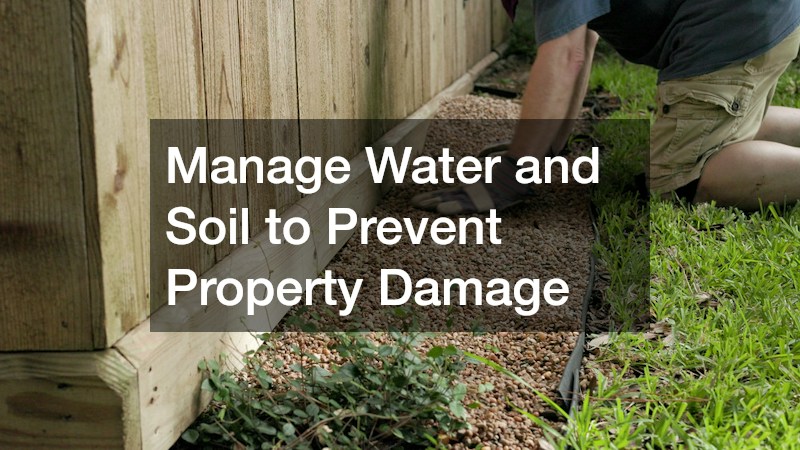
Improve Drainage Around Buildings and Landscaped Areas
Poor drainage can contribute to basement leaks, soil erosion, standing water, and damage to foundations or paved surfaces. Water should generally flow away from buildings without being redirected onto neighboring properties or public walkways.
Examine the property after rainfall for areas where water collects, soil washes away, or downspouts discharge too close to foundations. Cleaning gutters, extending downspouts, and correcting minor grading problems may resolve some concerns. More complicated issues may require professional drainage design.
An excavating contractor can assist with substantial grading changes, drainage trenches, and site preparation when specialized equipment is needed. Before digging, arrange appropriate underground utility locating services and confirm local permit requirements.
Capture Rainwater and Reduce Unnecessary Water Use
Rainwater management can reduce demand on municipal water supplies while helping control runoff. Rain barrels connected to suitable downspouts collect water for outdoor use, while rain gardens can capture runoff from selected roofs and paved areas.
A rain garden uses plants and soil suited to temporarily receiving stormwater. Properly designed, it can slow runoff and encourage infiltration. However, placement matters: these gardens should not direct water toward foundations or create problems in areas with unsuitable soils.
Choose Durable Surfaces That Reduce Runoff and Maintenance
Select Hardscaping Materials With Environmental Benefits
Walkways, patios, and other hard surfaces improve accessibility and make outdoor areas easier to maintain. However, conventional impermeable materials prevent water from soaking into the ground, potentially increasing runoff during heavy rainfall.
Permeable pavers and suitable gravel systems can help manage stormwater when installed under appropriate conditions. Their performance depends on soil infiltration, the underlying base, local rainfall, and maintenance requirements. Alternative drainage strategies may be necessary where soils are unsuitable.
A paving contractor can evaluate site conditions and recommend materials for patios, paths, and other paved spaces. Discuss expected traffic, drainage, accessibility, and long-term maintenance before selecting a surface.
Improve Access While Controlling Driveway Costs
Driveways should provide safe access while supporting effective drainage and manageable maintenance expenses. Cracks, potholes, pooling water, and deteriorating edges can create hazards and allow minor issues to become expensive repairs.
Driveway contractors can assess whether a surface needs localized repairs, resurfacing, or complete replacement. The right option depends on the base condition, damage severity, drainage performance, and expected vehicle loads. Replacing an entire driveway may be unnecessary when the underlying structure remains sound.
Establish Boundaries That Protect Privacy and Wildlife

Choose Fencing That Fits the Property’s Needs
Fencing can provide privacy, protect gardens, establish boundaries, and create safer spaces for children and pets. However, the best option depends on durability, maintenance, environmental impact, and intended use.
Fence contractors can help evaluate materials, installation requirements, and suitable designs. Responsibly sourced wood offers a natural appearance but may require periodic sealing or staining. Metal fencing can provide a long service life, while recycled-content products may reduce demand for some virgin materials. Each option has different costs and repair requirements.
Before installation, confirm property boundaries and check local regulations regarding height, setbacks, and permits. Underground utilities should also be identified before setting posts. These precautions help prevent disputes, installation delays, and avoidable damage.
Preserve Natural Movement and Reduce Visual Impact
Fence placement can affect wildlife movement, drainage, and the way a property connects with its surroundings. Solid barriers may obstruct some animals, while poorly positioned posts can interfere with drainage patterns.
Where appropriate and safe, consider wildlife-friendly designs that allow smaller animals to move through designated areas. The best approach depends on local wildlife, household needs, and the need to contain pets or protect gardens.
Build a Long-Term Maintenance and Improvement Plan
Prioritize Projects by Risk, Cost, and Environmental Impact
Property improvements are easier to manage when they follow a clear order of priorities. Begin by identifying urgent safety issues, active leaks, drainage failures, and structural concerns. These problems can worsen quickly and undermine later improvements if left unresolved.
Next, compare projects according to expected savings, durability, environmental benefits, and household needs. Insulation improvements, efficient lighting, and leak repairs may provide practical benefits before larger investments in landscaping or recreational features.
Divide projects into three categories:
- Immediate: Address safety hazards, active water intrusion, electrical concerns, and significant structural deterioration.
- Near-term: Plan efficiency improvements, drainage corrections, and repairs that prevent foreseeable damage.
- Long-term: Schedule landscaping changes, renewable energy installations, and optional outdoor features as budgets allow.
Request detailed estimates and compare the total cost of ownership rather than focusing exclusively on the lowest initial price. Include maintenance, replacement parts, warranties, and expected operating expenses when evaluating alternatives.
Track Results and Adjust the Plan Over Time
Sustainability improvements should be evaluated by how well they perform after installation. Keep records of utility bills, water consumption, maintenance expenses, repair dates, and completed projects. These records help determine whether upgrades are delivering the expected results.
Seasonal inspections are also valuable. Check gutters before heavy rain, inspect plumbing before freezing weather, examine outdoor surfaces for damage, and review irrigation systems during the growing season. Adjust maintenance schedules to reflect the property’s climate and specific conditions.
Revisit the improvement plan annually as household needs, utility prices, and environmental conditions change. A project that is too expensive today may become practical later, while an emerging maintenance issue may deserve higher priority than originally expected.
A functional and sustainable property reflects coordinated decisions about energy, water, materials, landscaping, and maintenance. Improving efficiency, protecting buildings from moisture, managing runoff, and choosing durable features can make spaces more comfortable while reducing avoidable expenses.
The best approach is to assess current conditions, prioritize urgent needs, and schedule improvements within realistic budgets and aligned with long-term goals. With thoughtful planning and consistent maintenance, property owners can create environments that support everyday activities, use resources responsibly, and remain practical for years to come.
