In recent years, environmentally safer pest control solutions have gained significant attention. Growing concerns about chemical exposure, human health, and environmental sustainability are driving demand for alternatives that balance effectiveness with ecological responsibility. Homeowners, businesses, and communities increasingly seek pest management strategies that reduce chemical runoff, protect beneficial organisms, and preserve biodiversity.
This article explores key questions about green pest control, examining how eco-friendly approaches work, their effectiveness, and practical ways to implement them at home.
What Are Environmentally Safer Pest Control Options?
Environmentally safer pest control options focus on methods that minimize harm to humans, pets, and the surrounding ecosystem. These approaches prioritize natural, biodegradable, or low-toxicity substances and emphasize strategies that prevent infestations before they become severe. Unlike conventional methods, which often rely on broad-spectrum chemical pesticides, green pest control aims for targeted solutions that maintain ecological balance.
Understanding Eco-Friendly Alternatives
Eco-friendly pest control includes a spectrum of options, from organic sprays to physical barriers and habitat management. It often incorporates biological controls, such as introducing natural predators to reduce pest populations. By leveraging natural processes, these alternatives reduce the need for harmful chemicals and promote a sustainable approach to pest management.
Natural versus Synthetic: What’s the Difference?
The primary distinction between natural and synthetic pest control lies in the source and impact of the compounds used. Natural solutions typically come from plants, minerals, or other organic sources and degrade more quickly in the environment. Synthetic pesticides, while often effective, can persist in soil and water, harming non-target species and contributing to resistance. Eco-friendly methods aim to combine efficacy with safety for both humans and the environment.
How Do Eco-Friendly Solutions Work?
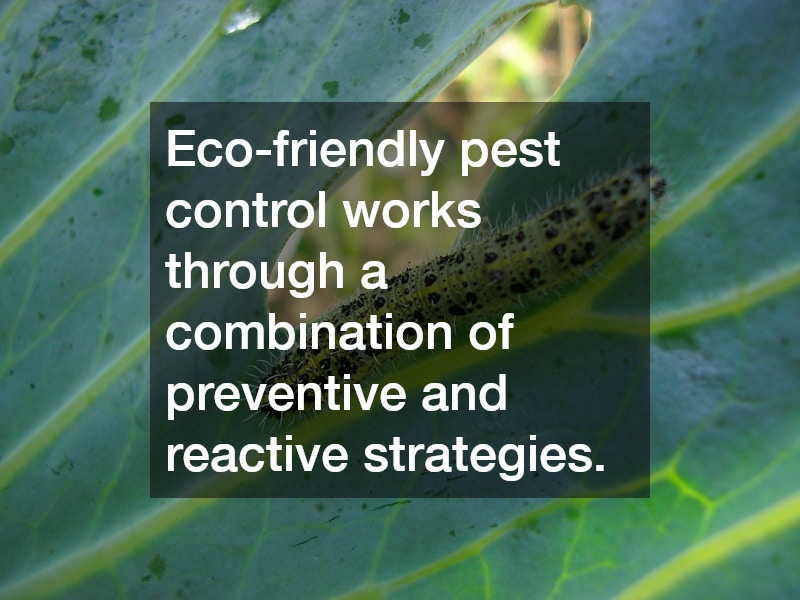
Eco-friendly pest control works through a combination of preventive and reactive strategies. Preventive measures include habitat modification, sealing entry points, and promoting healthy ecosystems to deter pests. Reactive strategies might use botanical sprays, microbial agents, or pheromone traps to reduce populations without causing long-term environmental damage.
The Role of Biological Pest Control
Biological pest control relies on natural predators, parasites, or pathogens to manage pest populations. Ladybugs, nematodes, and predatory mites are common examples that target specific pests like aphids or soil-dwelling insects. This method reduces chemical usage and supports biodiversity, making it a cornerstone of sustainable pest management.
Why Choose Eco-Friendly Over Traditional Methods?
Choosing eco-friendly options reduces chemical exposure for humans and pets, protects beneficial insects, and prevents long-term ecological damage. These methods often align with broader sustainability goals, such as maintaining soil health and water quality. Additionally, public perception increasingly favors environmentally conscious practices, making them preferable for both residential and commercial settings.
How Effective Are Organic Pest Control Methods?
The effectiveness of organic pest control varies depending on the pest species, environment, and method used. While they may require more frequent applications or monitoring, many green solutions achieve comparable success to traditional pesticides when integrated properly. Case studies of farms and homes using organic techniques demonstrate notable reductions in pest populations without the adverse effects of chemical exposure.
Challenges of Implementation
Implementing eco-friendly pest control can present challenges, including initial cost, slower visible results, and the need for ongoing monitoring. Pests may also develop resistance to certain natural compounds, and homeowners must carefully follow application instructions to ensure success. Despite these obstacles, long-term benefits often outweigh initial hurdles.
Future Prospects of Organic Pest Control
Advances in biotechnology, pheromone technology, and sustainable formulation continue to improve the efficacy of eco-friendly pest control. As research progresses, these methods are expected to become increasingly accessible, cost-effective, and integrated into everyday pest management strategies.
What Are the Benefits of Using Eco-Friendly Pest Control?
Eco-friendly pest control offers numerous benefits, including reduced health risks from chemical exposure, preservation of soil and water quality, and protection of non-target organisms. Cost savings may occur over time due to lower environmental remediation and health costs. Ethical considerations, such as promoting biodiversity and reducing harm to animals, further support these methods as a responsible choice.
Are There Any Risks Involved in Eco-Friendly Pest Control?
While generally safer, eco-friendly options can pose risks if misused. Incorrect application, overuse, or reliance on a single method may lead to limited effectiveness, pest resistance, or unintended ecological impacts. Educating users on proper application and integrating multiple strategies helps minimize these risks.
How to Implement Environmentally Safer Pest Control at Home
Homeowners can adopt eco-friendly pest control through DIY solutions using ingredients like vinegar, diatomaceous earth, or essential oils. Professional eco-friendly services offer targeted interventions with minimal environmental impact. Integrated pest management (IPM) strategies—combining prevention, monitoring, and targeted action—are highly effective for sustainable, long-term control.
Environmentally safer pest control is an evolving field that balances effectiveness with ecological responsibility. Though implementation may present challenges, the benefits for human health, biodiversity, and long-term sustainability are compelling.