
Maintaining a home in the suburbs comes with its own unique challenges. Unlike urban areas, suburban homes often have larger properties, more landscaping, and roofs that are exposed to a variety of environmental factors. While homeowners might focus on interior renovations, outdoor maintenance—especially roof upkeep—plays a crucial role in the longevity, safety, and value of a property.
Regular roof maintenance is more than just keeping shingles looking nice. It protects your home from water damage, structural problems, and costly emergency repairs. By investing time and attention into routine upkeep, homeowners can prevent small issues from escalating into major problems. This guide provides actionable tips to keep your roof in optimal condition, helping you protect your investment while maintaining the curb appeal of your suburban home.
Inspect Your Roof Thoroughly and Regularly
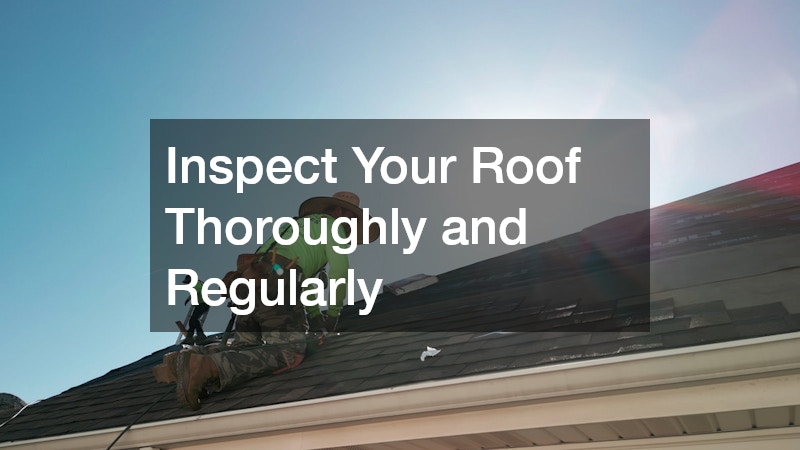
Performing consistent inspections is the cornerstone of roof maintenance. Suburban homes often have larger roofs, making it easy for damage to go unnoticed until it becomes a serious problem. Regular inspections allow homeowners to identify early signs of wear and tear, such as minor shingle damage or loose flashing, which might otherwise remain hidden. Catching these issues early ensures the roof continues to provide maximum protection against weather extremes and environmental wear.
In addition to visual inspections, consider the roof’s age, material, and past weather events. Older roofs or those subjected to heavy storms are more prone to underlying issues that may not be immediately visible. Keeping a detailed maintenance log of previous repairs and inspections can also help you track problem areas and determine when professional attention is needed.
When inspecting, look for:
- Missing, cracked, or curling shingles
- Damaged flashing around vents, chimneys, and skylights
- Debris accumulation in valleys and gutters
- Signs of water damage or staining on ceilings inside the home
Hiring a roofing contractor for a periodic professional inspection can provide a deeper evaluation that the average homeowner might miss. These experts can identify subtle issues, like compromised underlayment or hidden leaks, and provide guidance on repairs before small problems turn costly. Partnering with a dependable contractor ensures your roof receives the attention it needs without unnecessary replacements.
Maintain Gutters and Downspouts to Prevent Water Damage
Clogged gutters and downspouts are one of the leading causes of roof damage in suburban homes. When leaves, twigs, and other debris accumulate, water can overflow onto the roof or seep behind siding, potentially causing rot, leaks, and foundation issues. Proper maintenance of these systems ensures that rainwater is directed away from the home efficiently, preventing damage not only to the roof but also to the structure’s foundation.
Regularly checking for sagging gutters, loose brackets, and proper alignment is just as important as clearing debris. Even a minor misalignment can cause water to pool on the roof or near the foundation, undermining your maintenance efforts. Making small adjustments during each check can prevent long-term issues and prolong the lifespan of your gutters and roof.
Practical tips for maintaining gutters include:
- Cleaning gutters at least twice a year and after storms
- Installing gutter guards to reduce debris buildup
- Ensuring downspouts direct water at least 5–6 feet away from the foundation
Roof cleaning companies can help homeowners who prefer professional assistance. Many of these services not only clear debris but also provide minor repairs and preventive treatments to reduce moss or algae buildup. Regular gutter maintenance is a small effort that protects the roof and surrounding areas from long-term damage.
Address Minor Repairs Before They Escalate
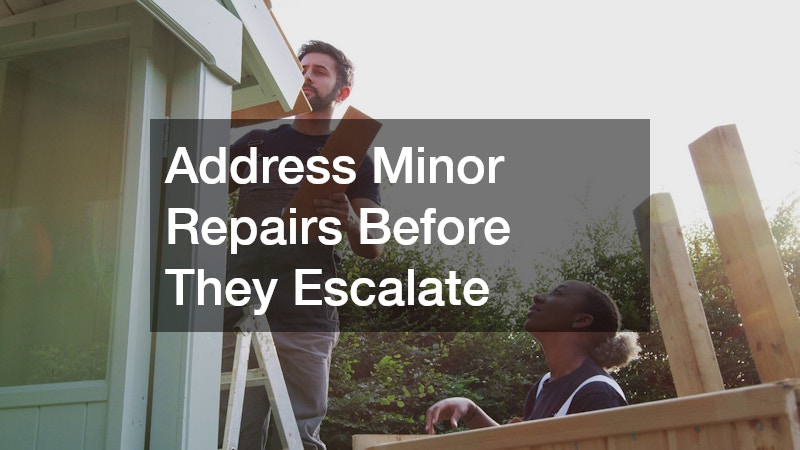
Even seemingly insignificant roof issues can evolve into major problems over time. Loose shingles, cracked flashing, or minor leaks might not immediately compromise the roof’s integrity, but they allow water and pests to infiltrate the home. Addressing small repairs promptly prevents these minor issues from escalating into structural damage or necessitating full roof replacement.
It’s also important to understand the underlying causes of recurring minor problems. For example, frequent shingle damage could indicate poor ventilation, tree interference, or improper installation. Identifying the root cause allows homeowners to implement long-term solutions, rather than continually patching the same spots.
Homeowners can take immediate action by:
- Replacing missing or damaged shingles promptly
- Sealing small leaks with appropriate roofing caulk or sealant
- Tightening loose flashing around chimneys or vents
Engaging local roofing repairs services ensures that these minor issues are addressed correctly. Professionals can also spot problems you might overlook, like subtle sagging or early signs of water penetration, preventing them from escalating into larger repairs or emergency roof replacements. Tackling repairs early extends the life of your roof and reduces long-term costs.
Schedule Regular Professional Inspections
While DIY inspections are valuable, they cannot replace the trained eye of a professional roofer. These experts can identify subtle issues, such as weakened decking or compromised underlayment, that are easily missed during a visual inspection. By scheduling annual or biannual professional inspections, homeowners gain peace of mind knowing their roof is being carefully evaluated by someone with extensive experience.
A professional inspection also provides the opportunity to develop a maintenance schedule tailored to your roof type and climate. For example, certain shingles may require seasonal cleaning or treatment, while flat or low-slope roofs might need more frequent monitoring. This proactive approach reduces the risk of unexpected leaks and extends the roof’s overall lifespan.
When scheduling a professional inspection:
- Aim for at least one thorough assessment per year
- Ask for a detailed report with recommendations
- Inquire about preventive maintenance plans
Professional roofers not only evaluate the current condition but can also advise on improvements, maintenance schedules, and cost-effective solutions. Their experience ensures that homeowners stay ahead of potential issues, avoiding costly emergency interventions and prolonging the roof’s lifespan.
Keep Your Roof Free from Algae, Moss, and Debris
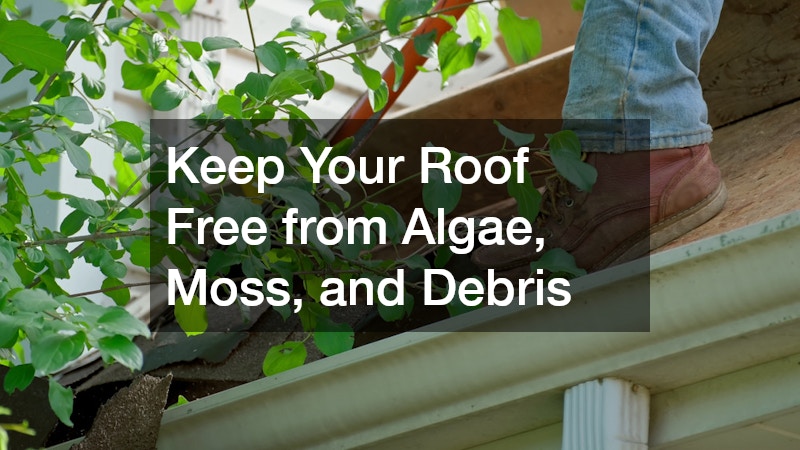
Suburban roofs are particularly vulnerable to moss, algae, and debris buildup, especially on shaded areas or near dense tree cover. Accumulated organic matter can trap moisture against shingles, accelerating wear and creating potential leak points. Regular cleaning helps prevent damage, extend the roof’s life, and maintain an attractive appearance that contributes to overall curb appeal.
In addition, preventing moss and algae growth can improve energy efficiency. Dark stains and growths can increase heat absorption, making your attic hotter in the summer. Maintaining a clean roof surface helps your home stay cooler and reduces potential strain on air conditioning systems.
Steps to maintain a clean roof include:
- Removing leaves, twigs, and other organic debris regularly
- Using a soft-bristled brush or low-pressure washing to prevent damage
- Applying moss and algae inhibitors where appropriate
Roofing services often offer specialized treatments to clean and protect shingles without harming the roof materials. Professional cleaning can also extend the life of the roof and enhance the overall appearance of the home. Keeping the roof clean is a simple preventive measure that pays off in durability and aesthetics.
Check and Maintain Siding for a Unified Exterior
Roof maintenance isn’t just about shingles and gutters. Siding is an important part of a home’s exterior, providing additional protection against wind, rain, and temperature fluctuations. Damaged siding can allow water infiltration, which may affect both the siding and the roof. Routine checks ensure that siding remains intact and helps prevent hidden problems from developing.
Maintaining siding also helps prevent pest issues. Cracks, gaps, or deteriorated sections can become entry points for insects or rodents, which can cause additional damage to your roof and attic. Regular inspections reduce these risks and support a stronger, more resilient home exterior.
Homeowners should:
- Inspect siding for cracks, warping, or gaps
- Repaint or reseal areas showing wear
- Ensure proper flashing connects the siding to the roofline
A siding contractor can provide guidance and repairs that protect both the exterior walls and the roof. Keeping siding in good condition creates a cohesive defense against water and weather, preventing secondary damage to your roof and interior spaces. Regular siding checks complement roof maintenance, enhancing overall home durability.
Plan Ahead for Roof Replacement
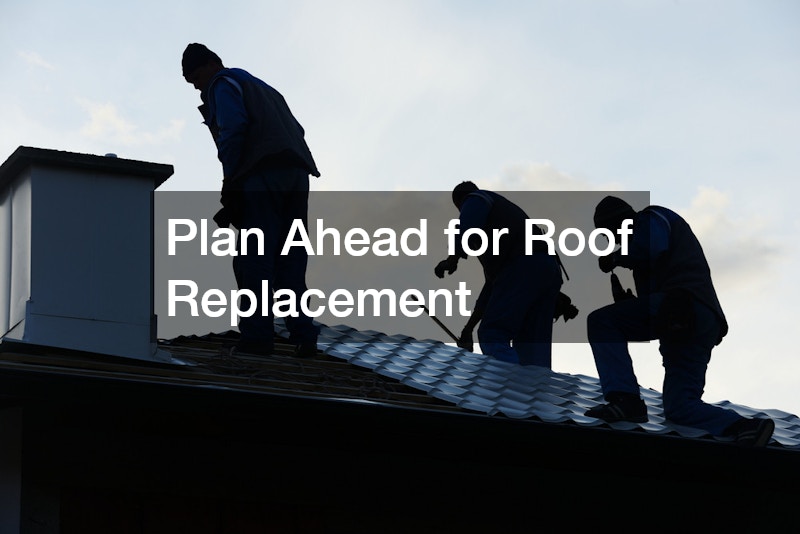
Even with careful maintenance, every roof eventually reaches the end of its service life. Knowing when to plan for roof replacement allows homeowners to schedule the work efficiently, choose the right materials, and avoid unexpected expenses. Waiting until an emergency arises can lead to rushed decisions, higher costs, and potential damage to the interior of the home.
Additionally, early planning for roof replacement provides the opportunity to evaluate energy-efficient materials or improved insulation. Homeowners can consider options that reduce energy bills, enhance curb appeal, and offer longer warranties, making a replacement more cost-effective in the long run.
Signs it may be time for a replacement include:
- Extensive shingle damage or loss
- Curling or blistering shingles
- Repeated leaks despite repairs
- Age exceeding 20–25 years for asphalt shingles
Scheduling a roof replacement during favorable weather and budgeting ahead of time reduces stress and ensures the home remains protected. Investing in a new roof proactively safeguards your home and adds long-term value. Discussing replacement options with experts ensures you choose materials and styles that suit your home and climate.
Build a Relationship with a Local Roofing Expert
Developing a relationship with a local roofer has long-term benefits for homeowners. Local professionals are familiar with neighborhood weather patterns, building codes, and common roofing challenges specific to your area. This knowledge allows them to offer personalized advice and respond quickly in emergencies, ensuring the roof remains in excellent condition year-round.
Beyond emergency situations, local roofers can provide seasonal maintenance and quick interventions for minor issues. Their familiarity with your property allows them to spot early warning signs and offer solutions tailored to your home’s architecture and materials, keeping costs down and extending the life of the roof.
Benefits of working with a local roofer include:
- Faster response times during emergencies
- Knowledge of neighborhood building codes and roofing trends
- Personalized recommendations based on local conditions
Regular collaboration with a local roofer fosters trust and ensures that maintenance and repairs are handled promptly and effectively. Homeowners benefit from a proactive approach, with the expert providing guidance tailored to the home’s unique needs.
Consider Siding Replacements Alongside Roof Maintenance
When evaluating the roof, it’s often practical to assess the siding simultaneously. Updating siding at the same time as roof maintenance can prevent water infiltration, improve insulation, and enhance curb appeal. Coordinating these projects ensures both the roof and walls work together to protect the home effectively.
Replacing siding during roof work also minimizes disruption to landscaping and daily routines. Doing both projects at once saves time and labor costs while ensuring seamless integration between roofing and wall protection systems.
Tips for siding replacement:
- Choose durable materials suited for your region
- Coordinate color and style with the roof for a cohesive look
- Ensure proper installation around the roofline to prevent leaks
Siding replacements not only boost the home’s aesthetics but also protect structural integrity. Coordinating roofing and siding updates allows for cost-effective improvements and minimizes repetitive work, ensuring both elements function optimally together.
Don’t Overlook Stucco and Other Exterior Elements
Stucco is a popular exterior finish in many suburban homes, offering durability and visual appeal. However, even minor cracks or deterioration can compromise the roof’s performance by allowing moisture to seep into the walls and attic. Including stucco in your maintenance routine ensures the home remains watertight and prevents long-term structural issues.
Proper stucco maintenance can also prevent mold, mildew, and water-related damage that could spread to other parts of the house. Addressing small problems immediately prevents costly repairs later and preserves both the exterior aesthetics and interior comfort.
Maintenance tips for stucco include:
- Inspecting for cracks, chips, or water stains regularly
- Re-sealing or repairing damaged areas promptly
- Keeping adjacent landscaping trimmed to prevent moisture buildup
Local stucco services can provide professional inspections and repairs, ensuring the exterior remains watertight and complements the roof’s protective function. By including stucco in your maintenance plan, you safeguard both aesthetics and structural integrity.
Regular roof maintenance in suburban homes is not just a precaution—it’s an essential investment in safety, efficiency, and long-term home value. From routine inspections and minor repairs to professional cleaning and siding upkeep, every step contributes to a stronger, more resilient home. By staying proactive, homeowners avoid costly emergencies, extend the life of their roof, and maintain the beauty of their property.
Implementing a comprehensive maintenance plan ensures peace of mind and a roof that continues to protect your home for years to come. Whether it’s cleaning debris, repairing minor damage, or coordinating siding and stucco care, the efforts you make today prevent major headaches tomorrow. Prioritizing roof health allows homeowners to fully enjoy their suburban sanctuary with confidence.
