
Creating a home that feels both curated and comfortable is an exercise in balance. It requires a deep understanding of how structural elements, like the glass that connects us to the outside world, interact with the interior pieces that define our daily lives. When you embark on a journey to redesign your home with new windows and furniture, you aren’t just changing the aesthetic; you are altering the way light, air, and energy flow through your private sanctuary.
The psychological impact of a well-designed home environment cannot be overstated. We spend the vast majority of our lives indoors, yet we often overlook how the relationship between external light and internal arrangement affects our mood. This guide explores the intricate relationship between the “hard” elements of home renovation and the “soft” touches of interior styling. By looking at your home as a singular, cohesive ecosystem, you can ensure that every investment—from the smallest side table to the largest panoramic window—works in harmony to elevate your quality of life.
Mastering the Art of Natural Light Control
The way light enters a room dictates its mood more than any paint color or textile ever could. However, light is a double-edged sword. While it provides essential Vitamin D and boosts our circadian rhythms, it also brings heat and ultraviolet rays that can fade expensive upholstery and dry out natural wood finishes. This creates a delicate dance between wanting the sunshine and needing to protect the interior.
When choosing your window treatments, think about “light management” rather than just simple privacy. Modern solutions allow you to filter harsh glare while still maintaining a view of the outdoors. This is particularly important in rooms with southern exposure, where the sun remains strongest throughout the day. Utilizing high-quality window shades is the most effective way to gain this level of control. Whether you prefer the organic texture of woven woods or the sleek profile of cellular fabrics, these additions serve as the “iris” of your home, adjusting the intensity of the world outside to suit your internal comfort.
Strategic light filtering involves more than just a binary open-or-closed state. For instance, top-down functionality allows you to lower the top of the treatment to let in sky views while keeping the bottom closed for street-level privacy. To protect your long-term investments, you should look for materials that offer a high UV rating, which safeguards rugs and sofas from premature aging. Furthermore, automated scheduling can be used to program your treatments to close during the hottest part of the day, significantly saving on cooling costs. Finally, choosing a translucent filtering fabric rather than a total blackout option for living areas keeps the room feeling alive and vibrant even when the shades are drawn to reduce heat.
Anchoring the Room from the Ground Up
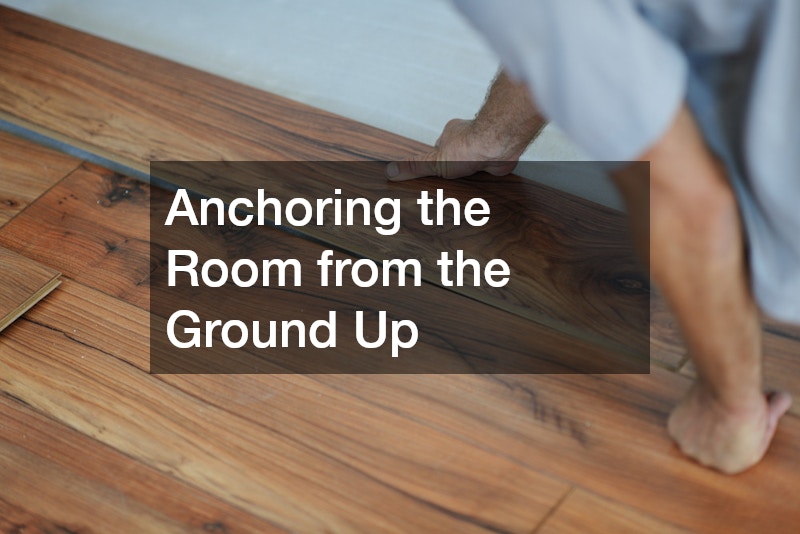
If windows are the eyes of the home, the floor is its soul. The interaction between windows flooring and the rest of the room is a critical design junction. The way light reflects off a polished hardwood or a matte tile can change the perceived size of a room. For instance, light-colored floors in a room with large windows can make a small space feel cavernous and airy, whereas dark floors can add a sense of grounded luxury and intimacy.
The process of floor installation is the best time to consider your window placement. If you are installing floor-to-ceiling glass, the transition between the indoor floor and the outdoor patio should be as seamless as possible to “trick” the eye into seeing a larger space. Designers often suggest running floorboards parallel to the primary light source to draw the eye toward the horizon, effectively blurring the lines between your interior and the landscape beyond.
Creating a flawless foundation requires careful planning of directional elements and material science. Laying boards toward the primary light source draws the eye outward, which naturally emphasizes the view and makes the room feel expansive. You must also ensure the sheen of your floor doesn’t create an uncomfortable glare when the sun is at its peak, as a high-gloss finish can sometimes be overwhelming in a very bright room. Durability is another factor, as intense sunlight can bleach certain woods; it is wise to consider engineered options or specific finishes that offer enhanced UV resistance. If you have an outdoor deck, matching the color of your interior floor to the exterior wood will visually extend the living space and create a unified architectural statement.
The Foundation of Style and Function
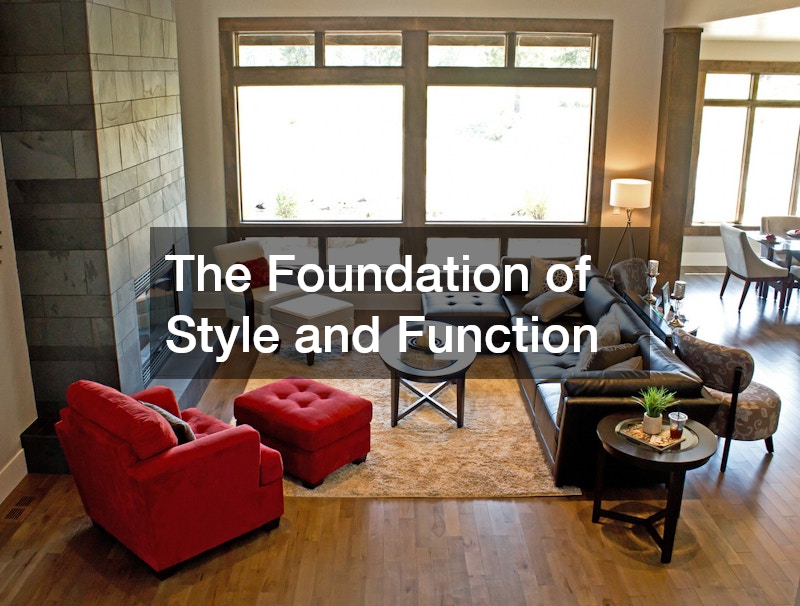
Once the structural shell of the room is set, the focus shifts to the furniture. These are the pieces that facilitate human interaction—the dining table where stories are shared, and the sofa where the day’s stress is released. In a room designed around windows, the arrangement of these pieces is paramount. You want to create “conversation pockets” that take advantage of the natural light without forcing guests to squint against the sun.
Selecting the right furniture involves more than just picking a style; it’s about understanding the “negative space” in a room. By leaving enough room around your windows, you allow the architecture to breathe, making the entire home feel more expensive and well-planned. Low-profile seating is often preferred in front of expansive glass to ensure that the view remains the star of the show, rather than the back of a couch.
Designing for flow and view requires a departure from traditional layouts where items are pushed against the walls. Floating a sofa in the center of the room can maintain clear pathways to window seats or balconies while creating a more dynamic floor plan. In rooms with exceptionally high windows, you can use taller bookshelves to draw the eye upward, effectively matching the verticality of the architecture. Additionally, incorporating glass or acrylic coffee tables allows light to pass through the pieces, which keeps the floor plan feeling open and uncluttered. Choosing furniture with slender legs rather than “blocky” bases also increases the amount of visible floor space, which significantly enhances the overall sense of volume in the room.
Powering Your Vision Safely

Modern design is increasingly reliant on hidden technology. From motorized blinds to integrated floor outlets for lamps, the “invisible” side of design requires professional oversight. Before you close up any walls or finish your floors, it is vital to have an electrical contractor walk through the space. They can help you plan for a future where technology and comfort are intertwined, ensuring you don’t have unsightly orange extension cords running across your new rug or obstructing a clean window line.
Safety should always be the priority. An electrical inspection is a non-negotiable step in any renovation, especially in older homes where the wiring may not have been updated in decades. This ensures that your wiring can handle the modern load—especially if you are adding home automation, high-end kitchen appliances, or comprehensive climate control systems that adjust based on window positions.
Essential infrastructure upgrades should include dedicated circuits for high-end home theaters or powerful kitchen appliances to prevent breakers from tripping during peak use. You should also consider installing smart lighting systems that allow for dimming based on the amount of natural light entering through the windows at different times of the day. Floor outlets are another crucial addition for floating furniture layouts where wall outlets are too far away, as they help prevent tripping hazards and maintain a clean look. If you plan on implementing automated window treatments in the future, having the hard-wiring done during the initial renovation will save you the hassle of changing batteries later on.
Color Theory and Professional Finishes
Paint is the most cost-effective way to transform a room, but it is also the most misunderstood. The color you see on a small swatch will look vastly different when applied to a ten-foot wall illuminated by a western sunset. This is why the expertise of a professional painter is invaluable. They understand how different finishes—flat, eggshell, satin, and gloss—interact with light and shadow.
A pro will also ensure that the “prep work”—the sanding, caulking, and priming—is done correctly. When you have large windows letting in a lot of light, every imperfection in the wall will be magnified. A high-quality finish provides a smooth, museum-like backdrop that allows your furniture and window views to take center stage.
Choosing the right paint based on sun exposure is a nuanced process. North-facing rooms tend to have cool, bluish light, so warm-toned paints can help balance this “chill” and make the room feel cozy. In contrast, south-facing rooms are bathed in intense, warm light throughout the day, where cool grays and blues can keep the space feeling refreshed. It is also important to consider Light Reflectance Values (LRV); using a high LRV on the ceiling can bounce light deeper into the center of the house. For a more dramatic effect, you might consider painting window frames a dark, contrasting color to “frame” the view as if it were a piece of fine art.
Bridging the Gap Between Vision and Reality
Sometimes, having too many choices can lead to “decision paralysis.” You know you want a beautiful home, but you aren’t sure how to mix a mid-century modern sideboard with contemporary panoramic windows. This is where an interior design service becomes an asset. Designers act as the “conductor” of the orchestra, ensuring that the flooring, the light, the paint, and the textiles all play the same tune.
By delegating the aesthetic heavy lifting to an expert, you save yourself the time and the potential cost of “buying twice” when an item doesn’t work in the space as imagined. They can provide 3D renderings that show exactly how your new furniture will sit in relation to the windows, allowing you to make adjustments before a single penny is spent on shipping.
The value added by design professionals extends beyond simple aesthetics to include complex spatial planning. They use specialized software to ensure your pieces fit perfectly while maintaining comfortable “walk zones” for everyday traffic. Furthermore, they provide access to “trade-only” showrooms for unique fabrics and finishes that are unavailable in local retail stores. A designer also helps maintain cohesion by creating a mood board that keeps the project on track and prevents impulsive purchases. Finally, they can manage custom projects like built-in window seats or cabinetry that integrates perfectly with the architectural lines of your specific home.
Logistics and the Final Transition
After months of planning and weeks of construction, the final hurdle is the physical installation. Moving heavy, high-end pieces into a freshly renovated space is a high-stakes task. One wrong move can gouge a new floor or shatter a custom window pane. Utilizing a professional moving service is the insurance policy your renovation needs. These experts are trained to handle delicate items and navigate tight corners without compromising the integrity of your new walls or floors.
When the move is handled with care, you can transition into your new life without the stress of “first-day damage.” It allows you to sit back and enjoy the view through your new glass, surrounded by the comfort of your chosen pieces, knowing that every detail was handled with precision.
To protect your renovation during move-in, it is essential to use floor runners like protective neoprene or cardboard to prevent scratches from dollies. You should also ensure that bulky items have adequate corner padding so they don’t nick freshly painted door frames during transit. For high-end furniture, opting for white-glove delivery services that include assembly and packaging removal can save a significant amount of effort. Finally, consider the climate coordination of the move; avoid bringing heavy wood pieces into a room that has just been painted or where floors are still curing to ensure the environment has stabilized and won’t cause the materials to warp or stick.
Achieving a Harmonious Living Sanctuary

Designing a home is a deeply personal journey that blends art with engineering. By focusing on the interplay between natural light and interior structure, you create a space that doesn’t just look good in photos, but feels good to live in every day. The harmony between the world outside your glass and the sanctuary you’ve built inside is what transforms a house into a home.
When you take the time to plan your layout, prioritize quality materials, and consult with the right experts, you are investing in a lifestyle that will bring you peace and inspiration for years to come. Every choice, from the way you filter the morning sun to the placement of your favorite armchair, contributes to a larger narrative of comfort and style. By following a holistic approach to renovation, you ensure that your home remains a source of joy and a reflection of your unique vision.
