
When every room in your house seems to be falling apart at once, it is tempting to panic and tackle everything simultaneously, draining your savings and your sanity in the process. The smarter approach is to prioritize based on safety, structural integrity, and long-term value rather than which room simply annoys you the most. This guide walks through how to rank competing remodel needs so you spend your money where it matters most first, then move down the list as budget allows.
Assess Structural and Safety Issues First
Before you pick paint colors or dream about a kitchen island, walk through your home with a critical eye toward anything that could cause damage or harm if left unaddressed. Foundation cracks, sagging floors, and electrical issues should always jump to the top of your list because they tend to worsen quickly and become more expensive the longer they sit. A small problem today, like a hairline crack in drywall, can signal a much larger structural issue brewing underneath. Getting a professional inspection before committing to any other remodel work gives you a clear picture of what truly needs attention now versus what can wait.
- Look for uneven floors, sticking doors, or new cracks in walls and ceilings
- Check the attic and basement for signs of moisture intrusion or pest damage
- Have an electrician evaluate any outdated wiring or overloaded panels
- Prioritize anything affecting the safety of people living in the home
Evaluate Your Roof Condition Before Anything Cosmetic

Your roof is your home’s first line of defense against the elements, and a compromised one can quickly lead to interior water damage that undoes cosmetic work you have already paid for. If you notice missing shingles, granular buildup in your gutters, or water stains on ceilings, it is time to call in professional roofers for a thorough inspection. Ignoring roof issues rarely saves money in the long run since leaks tend to spread into insulation, drywall, and framing before they become obvious. Because roof replacement is one of the most expensive line items in any renovation budget, getting an accurate quote early helps you plan the rest of your spending realistically.
Many homeowners are surprised to learn that a roofer can often repair a small section rather than requiring a full replacement, which can significantly change your budget picture. Ask for a written assessment that separates urgent repairs from recommended upgrades so you understand exactly what you are paying for and why. Timing matters too, since scheduling roof work before winter or heavy rain season can prevent emergency repairs later.
Check Plumbing and Water Systems Throughout the House
Plumbing problems are notorious for hiding behind walls and under floors until they cause significant damage, which is why they deserve a high spot on your priority list. Slow drains, unusual water pressure, gurgling sounds from toilets, or a persistently damp yard could indicate that sewer line repairs are needed before you invest in anything cosmetic nearby. Older homes with clay or cast-iron piping are especially prone to root intrusion and corrosion, so a camera inspection costing a few hundred dollars can save you from a much larger surprise later. These repairs are rarely glamorous, but leaving a damaged sewer line unaddressed can undermine landscaping, driveways, and even foundations over time. A slow leak beneath a slab foundation, for example, can erode soil support and lead to cracking that costs tens of thousands of dollars to fix, far more than the original plumbing repair would have. It’s also worth checking supply lines, water heater age, and shut-off valve function while you’re at it, since these components often fail around the same time as drainage systems in older homes. Replacing a water heater proactively, typically every 8 to 12 years, is far cheaper than dealing with a flooded basement. Getting ahead of these issues protects both your health and your home’s structural value, and it ensures that any cosmetic upgrades you make later won’t be undone by water damage down the road.
Beyond sewer concerns, it is worth having licensed plumbers do a full walkthrough of your home’s water systems, especially if your house is older or you have noticed inconsistent water temperature. They can flag failing water heaters, corroded pipes, or outdated fixtures that might not seem urgent but could fail unexpectedly. A water heater older than 10-12 years, for instance, is a prime candidate for sudden failure, and replacing it proactively (typically $1,200 to $2,500 installed) is far cheaper than dealing with flood damage from a burst tank. Ask your plumbers to check for specific red flags: galvanized steel pipes prone to rust buildup, polybutylene piping known for brittle failures, low water pressure that signals hidden leaks, and visible corrosion around joints or shutoff valves. Homes built before 1990 are especially worth scrutinizing, since materials and codes have changed significantly since then. It also pays to have them inspect supply lines behind washing machines, dishwasher connections, and under-sink shutoff valves, since these small components cause a disproportionate share of water damage claims. A cracked braided hose or a stuck valve can go unnoticed for months until it fails at the worst possible time. Addressing these issues now, even room by room, prevents costly emergency calls down the road and keeps your remodel budget more predictable. Bundling plumbing fixes into whichever room renovation is already underway also saves on labor, since walls are already open and access is easier.
Confirm Your HVAC System Can Handle Daily Demands

A home can look beautiful on the surface while still being uncomfortable if the heating and cooling systems are unreliable. Before you sink money into cosmetic upgrades, take a hard look at your HVAC system’s age and performance history. Most units last 12 to 15 years with regular maintenance, and if yours is approaching that range, it deserves priority in your budget over purely aesthetic projects. If your system struggles to keep rooms at a consistent temperature, or if you hear strange noises when it kicks on, it may be time to schedule AC repair before summer heat makes the problem unbearable. Watch for other warning signs too, like rising energy bills without a clear cause, rooms that feel humid despite the AC running, or a unit that cycles on and off more frequently than usual. These symptoms often point to problems that will only get worse with time. Small issues like a failing capacitor or dirty coils are usually inexpensive to fix, often costing under a few hundred dollars, but ignoring them can lead to a complete system breakdown that costs far more. A full HVAC replacement can easily run into the thousands, and emergency repairs during a heat wave typically carry a premium price tag as well. Scheduling a professional inspection now, before a remodel gets underway, gives you a clear picture of whether you’re looking at a simple tune-up or a larger investment that should shape your overall spending plan.
Before diving into cosmetic upgrades, take a hard look at the system running quietly in the background of every renovated room. If your unit is older than fifteen years, losing efficiency, or requiring repairs more than once a year, consulting an AC company for a full efficiency evaluation can help you decide whether repair or replacement makes more financial sense. A technician can check refrigerant levels, ductwork integrity, and airflow balance to spot problems that wouldn’t show up on a simple walkthrough. Pay attention to warning signs beyond obvious breakdowns: uneven temperatures between rooms, rising utility bills, excessive dust, or a system that runs constantly without reaching the thermostat setting. These issues often signal that ductwork or capacity problems will undermine any remodel built around them. A newly finished kitchen or basement addition won’t feel comfortable if the HVAC system can’t keep pace with the added square footage. Many companies offer financing options for larger HVAC projects, which can make it easier to fit into your overall remodel plan without derailing other priorities. Some even bundle rebates or tax credits for high-efficiency units, which can offset a meaningful portion of the upfront cost. Comfort and air quality affect every room in the house, so this system deserves serious consideration early in your planning process, before flooring, paint, or fixtures lock in your budget elsewhere.
Decide Which Cosmetic Upgrades Offer the Best Value
Once safety and system-related issues are addressed, you can start thinking about the upgrades that improve daily life and resale value. Fresh paint remains one of the most cost-effective ways to transform a space, and hiring experienced interior painters can dramatically change the feel of a room in just a day or two. Painting is also a great project to tackle room by room as budget allows, since it does not require the same level of disruption as structural work.
When choosing which rooms to paint first, consider which spaces you use most often or which ones show the most wear. Kitchens and bathrooms tend to benefit from moisture-resistant paint, while living areas and bedrooms offer more flexibility with finishes and color trends. This is a relatively low-risk investment that can make a home feel refreshed while you save for bigger projects elsewhere.
Weigh the Cost and Payback of Kitchen Countertop Upgrades
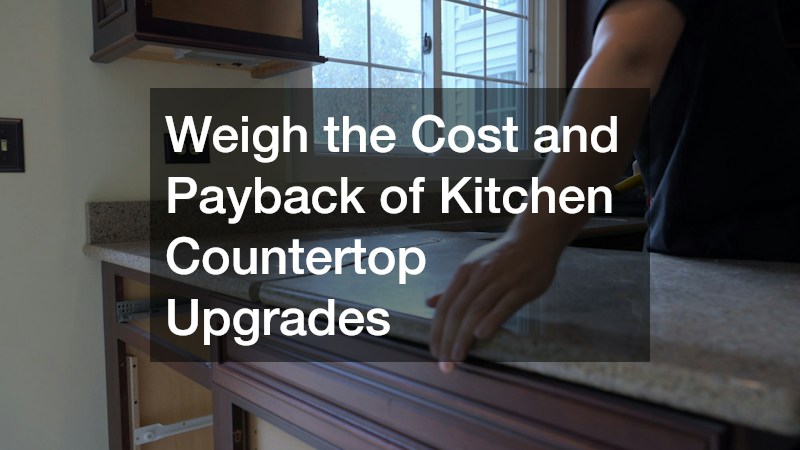
Kitchens are often at the top of everyone’s wish list, but countertop replacement is one upgrade worth evaluating carefully against your overall priorities. Installing granite countertops adds durability and visual appeal that can boost resale value, but it is worth confirming that your cabinets, plumbing, and electrical are all in good shape first so you are not covering up problems that will resurface later. Countertops are also a project that can often be scheduled independently of other kitchen work, making them easier to slot into your budget once more urgent needs are handled.
If your current counters are simply outdated rather than damaged, it may make sense to wait until other rooms with functional problems are addressed first. Think of countertop replacement as a high-impact but non-urgent upgrade, one that rewards patience if your budget is tight elsewhere. Comparing quotes and material options in advance helps you avoid rushed decisions when the time comes.
Improve Storage and Organization in Underused Spaces
Garages, mudrooms, and closets often get overlooked in remodel planning, even though improving them can make a noticeable difference in daily life. Adding garage cabinets is a relatively affordable way to reclaim wasted space and keep tools, seasonal items, and sports equipment organized without a major construction project. Because this type of upgrade does not typically require permits or extensive labor, it can be a good filler project between larger renovations.
Organized storage also protects your other investments, since tools and chemicals stored properly are less likely to cause damage to floors or walls. If you are already working with contractors on a larger project, ask whether they offer storage solutions as an add-on service to save on scheduling and cost. Small improvements like this add up to a more functional home without requiring a huge chunk of your budget.
Address Exterior Boundaries and Curb Appeal Projects

While interior work often takes priority, exterior features like fencing contribute to both safety and property value, especially if you have pets, children, or a pool. Reaching out to local fence companies for quotes early in your planning process helps you understand costs and timelines, since materials like wood, vinyl, and metal vary significantly in price and maintenance needs. A damaged or unstable fence can also become a liability issue, which bumps it up the priority list if safety is a concern.
Curb appeal projects, including fencing, landscaping, and exterior paint, tend to offer strong returns when it comes time to sell, but they should be weighed against more urgent interior repairs first. If your budget only allows for one exterior project this year, choose the one that addresses safety or security concerns rather than purely aesthetic upgrades. This keeps your spending aligned with both practical needs and long-term value.
Build a Realistic Timeline for Multi-Room Projects
Trying to remodel every room at once often leads to budget overruns and decision fatigue, so building a phased timeline is one of the most practical steps you can take. Start by listing every project you have identified, then sort them into urgent, important, and optional categories based on the assessments from earlier steps. This gives you a clear roadmap and prevents impulse spending on projects that look exciting but are not actually pressing.
- Group projects by system or trade to save on scheduling and potential bundled discounts
- Set aside a contingency fund of ten to twenty percent for unexpected issues
- Revisit your list every few months as new problems or priorities emerge
- Track completed projects so you can see progress even when the full remodel takes years
Prioritizing remodel spending when every room needs work comes down to protecting your home’s safety and structural integrity before investing in style and comfort upgrades. Start with the systems that can cause the most damage if ignored, then work your way toward the cosmetic changes that make your home feel like your own. With a clear, phased plan in hand, you can move forward confidently one project at a time instead of feeling overwhelmed by everything at once.
