
A home rarely announces its problems all at once. Instead, small inefficiencies pile up quietly in the systems you see every day but rarely inspect closely, from the roof over your head to the driveway under your car. Left unchecked, these issues don’t just risk bigger repairs later, they steadily raise your utility bills, insurance premiums, and maintenance costs right now. This guide walks through the exterior warning signs most homeowners overlook, so you can catch the cash leaks before they turn into financial floods.
1. Aging Roof Shingles and Hidden Leaks
Your roof is the single largest investment in your home’s exterior, and it is also the system most people ignore until water is dripping onto the ceiling. Most asphalt shingle roofs are rated for 20 to 25 years, but intense sun exposure, poor attic ventilation, and storm damage can shorten that lifespan considerably. Curling, cracked, or missing shingles let moisture seep into the decking below, which can silently rot wood framing for months before any stain appears indoors. Granule loss is one of the earliest warning signs, showing up as bald patches on shingles or gritty sand-like debris collecting in gutters and downspouts. Once granules wear away, shingles lose their UV protection and become brittle much faster, accelerating the whole aging process. Flashing around chimneys, vents, and skylights is another common failure point, since these metal seams can separate or corrode and create a direct path for water to enter. A professional roofer can spot these problems, along with soft spots in the decking, discolored plywood, or a spongy feel underfoot, all of which are invisible from the ground. Left unaddressed, hidden leaks can lead to mold growth, insulation damage, and thousands of dollars in structural repairs. A routine inspection, typically costing a few hundred dollars, is a fraction of the expense of replacing rotted decking or rebuilding a section of ceiling.
Asphalt shingles typically last 20 to 25 years, but curling edges, missing granules, or bald patches can signal trouble well before that lifespan is up. Many homeowners wait until a leak is obvious—water stains on the ceiling or a drip during a storm—but by then insulation, drywall, and even electrical wiring may already be compromised. A slow leak hidden above a ceiling can quietly rot framing for months, turning a $300 shingle repair into a $5,000 structural fix. Granules collecting in gutters are often an early warning sign that shingles are wearing thin and losing their protective coating. Similarly, sagging rooflines or daylight visible through the attic boards point to deeper decking issues that won’t resolve on their own. Scheduling an annual walkthrough with a roofer, ideally in spring and after any major storm, is one of the cheapest forms of insurance you can buy for your house. A trained eye can spot cracked flashing around chimneys and vents, deteriorating seals, or soft spots in the decking long before they become visible from the ground. Catching these issues early typically costs a few hundred dollars in maintenance versus thousands in water damage remediation and mold removal down the line.
- Dark streaks or moss patches signal trapped moisture, often from poor drainage or shade that keeps shingles damp
- Sagging rooflines suggest structural water damage and may mean the roof deck is rotting underneath
- Granules collecting in gutters mean shingles are breaking down, and a downspout full of grit is a clear sign your roof is past its prime
- Curling or cracked shingle edges indicate they’ve lost flexibility and can no longer seal properly against wind-driven rain
- Daylight visible through the attic points to gaps needing repair, and even pinhole-sized openings let in moisture over time
- Water stains on ceilings or upper walls often mean a leak has been active for weeks or months before it’s noticed
2. Clogged or Sagging Gutter Systems
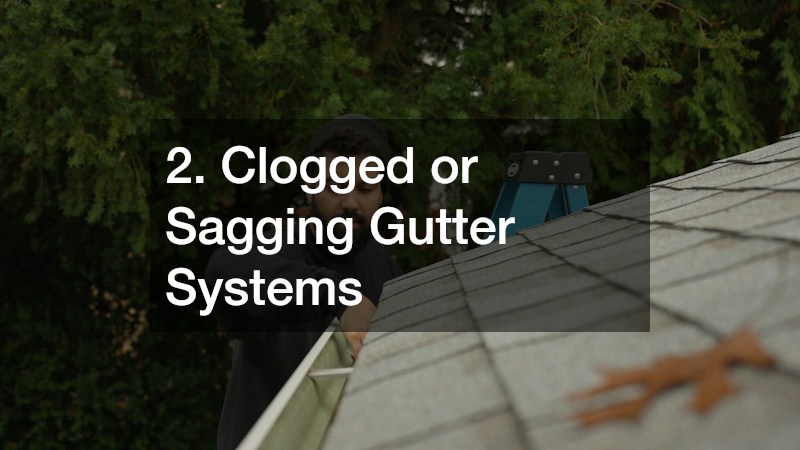
This roof-edge drainage system is supposed to move water away from your foundation, but when it’s clogged with leaves and debris, that water spills over and pools right where you don’t want it. This overflow can erode landscaping, stain siding, and seep into basements, creating repair bills that dwarf the cost of a simple cleaning. A sagging trough pulling away from the fascia board is a sign the system is holding more weight than it should, usually from standing water or waterlogged debris. Since gutters are attached directly to the roofline, many roofers offer inspections that cover both systems at once, catching fascia damage before it spreads.
- Water stains below the trough line indicate overflow
- Plant growth inside the channel means organic buildup
- Pooling near the foundation after rain signals poor drainage
- Loose or bent hangers suggest the system needs resupporting
3. Cracked Driveways and Deteriorating Walkways

A cracked driveway does more than look bad, it invites water underneath the surface where it can freeze, expand, and cause the pavement to buckle even further. This freeze-thaw cycle is especially damaging in climates with cold winters, where a quarter-inch crack can widen noticeably after just a few hard frosts. Small cracks left untreated for a season or two often turn into potholes that require full replacement rather than a simple patch. Walkways suffer the same fate, but with an added risk: uneven or heaving pavers and slabs create trip hazards that can lead to injury and liability concerns, especially near entryways where foot traffic is heaviest. Weeds pushing up through joints are another warning sign, since their roots widen existing cracks and accelerate erosion of the base material underneath. Reaching out to paving contractors early, while the damage is still cosmetic, typically costs a fraction of what a full driveway tear-out and repour would run. A simple crack seal or patch job might run you a few hundred dollars, while a complete driveway replacement can easily climb into the thousands depending on square footage and material. Scheduling an annual inspection, ideally in early spring after the ground has thawed, helps catch these issues before they demand a far more expensive fix.
Small cracks in a driveway rarely stay small. Water seeps into hairline fractures, freezes and expands during winter months, and turns a $200 repair into a $3,000 to $7,000 full replacement within a few seasons. A driveway showing widespread alligator cracking, potholes, or sunken sections is usually signaling that the base underneath has failed, not just the surface. Walkways matter too, since uneven or shifting pavers create tripping hazards that can lead to liability issues if a visitor gets hurt on your property. Even a height difference of half an inch between adjoining slabs is enough to catch a shoe and cause a fall, and insurance claims from these incidents can far exceed the cost of prevention. Regular sealing and prompt crack repair extend the life of asphalt and concrete alike, protecting the investment you already made in your home’s curb appeal. Asphalt should typically be resealed every two to three years, while concrete benefits from a quality sealant every three to five years depending on climate and traffic. Watch for warning signs between maintenance cycles, including standing water after rain, faded or graying surfaces, and weeds pushing up through joints, since these often indicate deterioration happening beneath what you can see.
- Alligator-pattern cracking signals base failure below the surface, often from years of freeze-thaw cycles or an undersized gravel base — patch jobs won’t fix this, only full excavation and repaving will
- Standing water on the driveway points to poor slope or drainage, and puddles lingering more than a few hours accelerate cracking and erode the base with every rain
- Faded, chalky asphalt needs resealing before winter, ideally every 2-3 years, since UV exposure dries out the binding oils and leaves the surface brittle
- Grass or weeds growing through cracks means the base layer is compromised, as roots widen gaps and let water seep deeper, speeding up structural damage
- Crumbling or spalling concrete walkways suggest moisture has penetrated and frozen inside the slab, a sign that resurfacing alone may not be enough
- Uneven or heaving sections of walkway can indicate soil movement or tree root intrusion, both trip hazards that raise liability concerns
4. Inefficient Furnace and HVAC Ventilation
While furnaces live indoors, their exterior venting and intake systems are often overlooked sources of wasted energy. A poorly sealed vent pipe or a furnace nearing the end of its lifespan can quietly push your heating bills higher every month without any obvious symptoms inside the house. Bringing in a furnace installer to check efficiency ratings and combustion venting can reveal whether your system is losing heat through outdated components.
Homeowners frequently assume a working furnace is an efficient one, but units older than fifteen years often run at a fraction of the efficiency of newer models. A short consultation can clarify whether repair or replacement makes more financial sense over the next several winters.
- Uneven heating between rooms suggests airflow problems
- Rising gas bills without added usage point to declining efficiency
- Yellow burner flames instead of blue indicate poor combustion
- Frequent cycling on and off wastes energy and shortens equipment life
5. Weathered Decks and Structural Wood Damage

Outdoor decks take a beating from sun, rain, and temperature swings, and the damage often starts underneath where boards meet support posts. Soft or spongy wood, popped nails, and wobbly railings are signs that moisture has already begun breaking down the structure. A qualified deck builder can assess whether the issue is cosmetic, like faded stain, or structural, like rotting joists that need full replacement before someone gets hurt.
Ignoring these warning signs doesn’t just risk safety, it also accelerates the rate of decay since damaged wood absorbs water faster than sealed, healthy boards. Routine sealing and yearly inspections keep small repairs from snowballing into a full deck rebuild.
- Gray, faded wood means the protective sealant has worn away
- Nails backing out of boards suggest wood movement from moisture
- Wobbly railings or stairs are a structural red flag
- Mildew smell near ground-level posts points to trapped moisture
6. Overdue Septic System Maintenance
For homes not connected to municipal sewer lines, the septic system is an out-of-sight, out-of-mind expense until it fails, and failure is rarely cheap. Skipping routine septic pumping allows solid waste to build up and eventually clog the drain field, a repair that can cost many times more than regular maintenance would have. Slow drains, gurgling pipes, and unusually lush patches of grass over the tank are all early indicators that the system needs attention.
- Sewage odor near the yard or drains signals a full tank
- Slow-draining sinks and toilets suggest a backup forming
- Standing water over the drain field means the system is overwhelmed
- Gurgling pipes point to blocked or restricted flow
7. Renovation Debris and Cleanup Costs
Whenever you tackle roofing, decking, or driveway repairs, the leftover debris has to go somewhere, and hauling it yourself in small loads often costs more in time and fuel than expected. Renting a 20 yard dumpster for larger projects consolidates the cleanup into a single, predictable expense rather than dozens of trips to a disposal site. This is especially useful during multi-system repairs, when shingles, old decking boards, and broken concrete all need to be cleared before new work can begin.
Planning debris removal ahead of time also prevents delays that can drive up labor costs, since many contractors charge extra for job sites cluttered with old materials. A little logistics planning before the project starts saves both money and headaches once the work is underway.
- Estimate total debris volume before choosing a container size
- Confirm what materials are accepted, since some require separate disposal
- Schedule pickup promptly to avoid extended rental fees
- Keep the dumpster on a stable, accessible surface for safety
8. Outdated Plumbing Fixtures and Supply Lines
Exterior spigots, irrigation lines, and supply pipes leading into the home are common sources of slow leaks that inflate water bills without any visible sign of damage. Corroded fittings or old shutoff valves can waste gallons of water a day, and many homeowners only discover the problem when the bill arrives. Sourcing replacement parts from the best plumbing supply retailer in your area ensures you get fittings rated for outdoor exposure rather than generic hardware store substitutes.
Checking exterior spigots each spring for drips, corrosion, or reduced pressure is a quick habit that can catch small leaks before they become major water losses. Given how much water moves through outdoor lines during warmer months, even a minor leak adds up fast.
- Green or white corrosion on fittings signals aging metal
- Reduced water pressure outdoors suggests a hidden leak
- Wet spots in the yard near supply lines need investigation
- Dripping spigots waste hundreds of gallons a month if ignored
9. Sun-Damaged Windows and Energy Loss
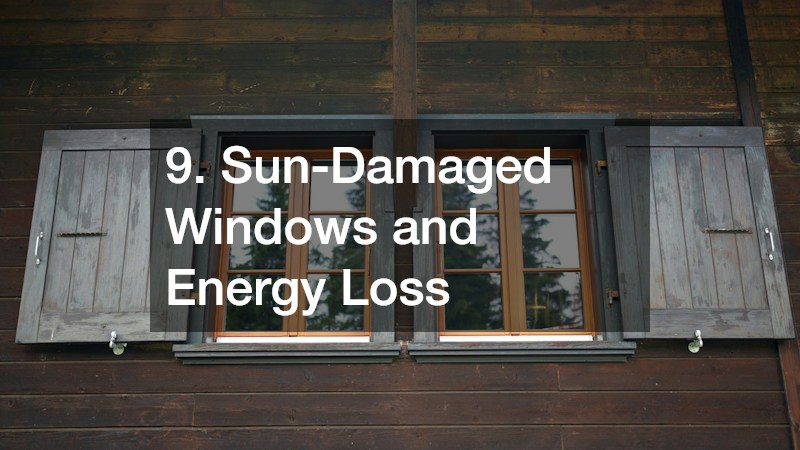
Windows take constant exposure to UV rays, and over time that exposure fades interior furnishings while letting unwanted heat pour into the home during summer months. Residential window tinting offers a straightforward way to cut down on solar heat gain, reducing strain on your cooling system and protecting flooring and furniture from sun damage. This upgrade is particularly useful for homes with large west-facing windows that turn into greenhouses by mid-afternoon.
Beyond comfort, tinting can also extend the lifespan of window seals by reducing the temperature swings that cause caulking and weatherstripping to crack. It’s a relatively low-cost update that pays for itself through lower cooling bills over just a few summers.
- Faded furniture or flooring near windows indicates UV damage
- Rooms that overheat in the afternoon suggest excess solar gain
- Cracked window seals often follow repeated temperature swings
- Higher summer cooling bills can point to inefficient glass
None of these issues fix themselves, and the longer they go unaddressed, the more expensive the eventual repair becomes. Walking your property twice a year with this list in hand can help you catch small problems while they’re still inexpensive to solve. When something looks beyond a simple DIY fix, bringing in the right specialist early is almost always cheaper than waiting for a full system failure. Your home’s exterior systems work hardest when you pay attention to them before they force you to.
