
Renovating one room at a time feels like the responsible, budget-friendly way to update a home, but this piecemeal approach often backfires. Small fixes that ignore the bigger picture can mask larger problems, create mismatched systems, and force homeowners into repeat projects within just a few years. Understanding where partial remodels tend to fall short can help you plan smarter and avoid paying twice for the same square footage. Below, we break down the most common areas where cutting corners now leads to bigger bills later.
Replacing Kitchen Countertops Without Addressing Worn Cabinets
Homeowners frequently splurge on new countertops while leaving outdated cabinet boxes in place, assuming the cabinets are fine because the doors still close. This mismatch often becomes obvious within months, as new stone or quartz surfaces highlight just how tired the surrounding woodwork looks. Rather than tearing out functional cabinet boxes and generating unnecessary landfill waste, many homeowners are better served by investing in cabinet refacing, which updates doors, drawer fronts, and hardware while preserving the existing structure. This approach bridges the gap between old and new without requiring a full kitchen teardown.
The problem compounds when plumbing or electrical work is skipped during a partial kitchen update. If you already have contractors on site pulling out an old sink or countertop, that is the moment to evaluate hidden wiring and pipe condition, not years later when a leak forces an emergency repair. Addressing these systems alongside cosmetic changes almost always costs less than doing it in two separate phases.
Ignoring Slow Drains During a Bathroom Refresh

A bathroom remodel that focuses only on visible finishes, like tile and vanity, but ignores slow-draining sinks or tubs, is setting the homeowner up for a bigger problem down the road. Standing water and recurring clogs are often signs of buildup deeper in the pipe, not just a surface issue that a store-bought solution can fix. Years of hair, soap scum, and mineral deposits can narrow the pipe diameter significantly, and a plunger or chemical cleaner only clears the top layer without addressing the real blockage. Bringing in drain cleaning services before finishes go in gives plumbers a chance to clear blockages and inspect pipe condition while walls are already open. This is also the ideal time to run a camera scope through the line, checking for cracked joints, bellied pipes, or root intrusion that a simple cleaning wouldn’t reveal. Catching these issues now, while access is easy, typically costs a few hundred dollars rather than the thousands it can take to fix once floors and walls are finished. Waiting until after the remodel is complete means potentially cutting into brand new tile or drywall to fix a problem that could have been solved earlier. Beyond the repair itself, homeowners often face the added expense of replacement materials, matching grout or paint, and paying a contractor to redo finish work that was just completed. A slow drain that seems minor today can turn into a repeated service call, water damage, or even mold remediation if left unaddressed, all of which cost far more than a simple pre-remodel inspection.
- Slow drains that recur within weeks often indicate a deeper clog, not a one-time issue — think tree roots, collapsed pipe sections, or buildup far down the line
- Pipe scaling and mineral buildup (common with galvanized steel pipes) can worsen over time, gradually restricting flow until a full blockage occurs
- Camera inspections during a remodel, typically $200–$500, can catch cracks, root intrusion, or bellied pipes in older plumbing before they become emergencies
- Older homes with cast iron or clay pipes are especially prone to hidden corrosion and root damage that a simple snaking won’t reveal
- Clearing drains and inspecting pipe condition before finish work avoids costly demolition later, since fixing a hidden pipe issue after tile and drywall are installed can mean tearing out fresh work
- Budgeting an extra $300–$1,000 for drain diagnostics during a bathroom refresh is far cheaper than repiping behind finished walls months down the road
Patching a Roof Instead of Planning for Full Replacement
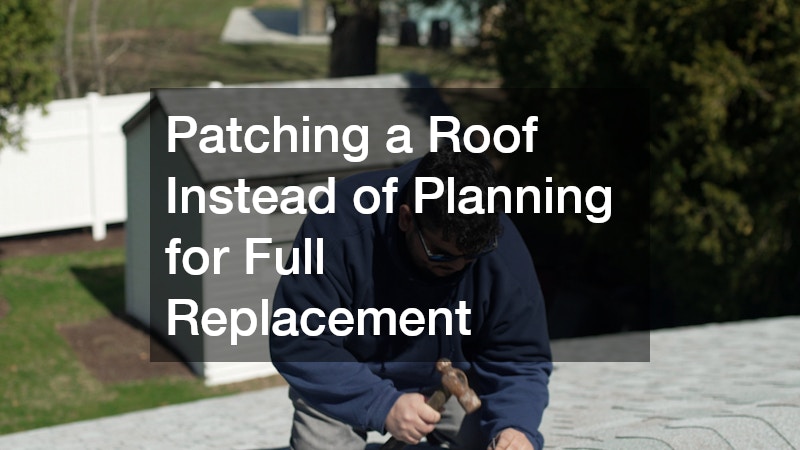
A roof that is nearing the end of its lifespan but only receiving patchwork repairs is a common example of a partial fix that leads to bigger expenses. Homeowners often patch a leak in one section without recognizing that the surrounding shingles or underlayment are equally worn and likely to fail soon after. Asphalt shingles typically last 20 to 25 years, and once a roof passes that mark, one repair is usually a sign that others are close behind. Patch jobs can also mask deeper problems. A leak repaired at the surface may have already allowed water to seep into the decking below, leading to rot, mold, or weakened supports that aren’t visible until a much larger repair becomes unavoidable. What looks like a $300 fix can quietly turn into a $3,000 problem once the damage spreads beneath the surface. A reputable roofing company can assess the entire roof system, including flashing, ventilation, and decking, rather than just the visible leak point, giving homeowners a clearer picture of what repairs are truly needed. This kind of full evaluation often reveals aging flashing around chimneys or vents, inadequate attic ventilation that shortens shingle life, or soft spots in the decking that indicate trapped moisture. Getting that complete picture upfront allows homeowners to weigh the real cost comparison: another round of patchwork now, or a planned full replacement within the next year or two. In many cases, spreading the cost of a full replacement across a planned timeline ends up cheaper than a string of emergency repairs on a roof that was already failing.
The financial risk of repeated roof patching adds up quickly, since each service call includes labor and material costs that could have gone toward a more permanent solution. A single patch job might run $300 to $600, but homeowners who call out a roofer three or four times over a couple of years can easily spend $1,500 to $2,500 without ever addressing the underlying problem. That money essentially disappears, since none of it counts toward the cost of the full replacement that’s likely still waiting down the road. Water intrusion from a poorly patched roof can also damage insulation, drywall, and even structural framing before anyone notices, turning a roofing issue into a much larger interior repair. Wet insulation loses much of its effectiveness and often needs full replacement rather than drying out, while trapped moisture behind drywall creates ideal conditions for mold growth within 24 to 48 hours. In more severe cases, prolonged leaks can rot roof decking or rafters, and repairing structural framing typically costs several thousand dollars more than the original roofing fix would have. Getting a full roof evaluation, even when only one leak is currently causing problems, helps homeowners understand whether they are looking at years of ongoing patch jobs or one significant investment that solves the issue for good. A thorough inspection should check the age and condition of the shingles or roofing material, the state of the flashing around chimneys and vents, and signs of granule loss that indicate the roof is nearing the end of its lifespan. Most asphalt shingle roofs last 20 to 25 years, so a roof that’s already 18 years old and needing its second or third patch is a strong candidate for replacement rather than another repair. Knowing where the roof stands in that lifecycle lets homeowners budget proactively instead of reacting to each new leak as an isolated emergency.
Upgrading Outdoor Living Spaces Without Considering Shade and Comfort

Many homeowners invest in a new deck, patio, or outdoor kitchen without factoring in how sun exposure will affect the usability of that space throughout the day. A beautiful patio that becomes unbearably hot by early afternoon often ends up needing a second round of investment just a year or two later. Adding outdoor solar shades during the initial project, rather than as an afterthought, allows homeowners to control sun and heat without the added expense of retrofitting posts, wiring, or motorized controls after the hardscaping is finished.
Landscaping decisions made in isolation from other outdoor upgrades can also create problems. A new fence installed before grading or drainage work is finalized may need to be partially removed or adjusted later, adding labor costs that were entirely avoidable. Coordinating with a fence company early in the planning process, before patios or plantings are finalized, helps ensure property lines, gate placement, and drainage patterns all work together instead of requiring rework.
Choosing Basic Garage or Basement Flooring Without Long-Term Durability
Concrete floors in garages and basements are often left bare or given a quick cosmetic coating during a partial remodel, only for homeowners to discover within a few years that the surface is cracking, staining, or flaking. This is especially common when the flooring choice does not account for moisture, vehicle weight, or temperature swings. Epoxy flooring offers a far more durable alternative, resisting stains, moisture, and impact damage in a way that basic paint or sealant cannot match.
The cost difference between a quick paint job and a professionally applied epoxy system is real, but so is the cost of redoing a garage floor every few years because the cheaper option failed. Homeowners who invest in a durable flooring system upfront, even during a smaller-scale renovation, typically avoid the cycle of patch and repair that comes with lower-quality materials. This is one area where spending a bit more during the initial project pays off in fewer callbacks and replacements.
Overlooking Structural and Foundation Issues During Cosmetic Updates
It is tempting to focus a remodel entirely on visible upgrades like paint, flooring, and lighting while ignoring less glamorous issues below the surface. Musty odors, sagging floors, or visible moisture in a crawlspace are often dismissed during a cosmetic renovation because they are not part of the original scope of work. Unfortunately, foundation and moisture problems rarely stay contained, and skipping crawlspace repair during a remodel often means dealing with mold, insulation damage, or structural sagging within just a few years.
Addressing these hidden issues alongside visible updates is almost always more cost-effective than treating them as separate projects. Contractors already working under the home for plumbing or electrical updates can often identify and resolve moisture intrusion or pest damage at the same time, saving on labor costs that would otherwise require a second visit. Homeowners who skip this step in favor of purely cosmetic work often find themselves paying for both the original remodel and the structural fix later.
Planning Additions Without Considering the Whole Home Design
Adding a single room, whether a bedroom, sunroom, or home office, without considering how it fits into the broader structure and style of the home is a common source of regret. Mismatched rooflines, awkward transitions between old and new flooring, and inconsistent exterior siding are frequent results of additions handled in isolation. Custom home builders who look at the property as a whole, rather than treating an addition as an isolated project, can design transitions and structural elements that feel cohesive rather than tacked on.
This whole-home approach also helps homeowners avoid costly rework tied to code compliance, since additions built without proper planning sometimes require retrofitting for insulation, electrical capacity, or structural support once inspectors get involved. Taking time upfront to plan how an addition will integrate with existing plumbing, HVAC, and electrical systems prevents the need for expensive modifications after the fact. A well-planned addition should feel like it was always part of the home’s design, not an obvious afterthought.
Updating Landscaping Without Planning for Maintenance Costs
Homeowners often replace lawns, garden beds, or walkways as part of a broader remodel without considering the long-term maintenance burden of their choices. A natural grass lawn that requires constant watering, mowing, and fertilizing can become an ongoing expense that homeowners did not fully anticipate when they budgeted for the renovation. Installing artificial grass turf in high-traffic or hard-to-maintain areas can significantly reduce water bills and upkeep costs over time, making it a practical consideration during any larger landscaping update.
Skipping this kind of planning often means homeowners end up redoing landscaping within a few seasons because the original choice did not hold up to foot traffic, pets, or local climate conditions. Considering water usage, maintenance time, and durability upfront, rather than choosing based on initial cost alone, helps landscaping investments last as long as the rest of the remodel.
Preparing for Power Outages During Larger Home Upgrades
Many home renovations focus entirely on comfort and appearance while ignoring resilience, particularly when it comes to power reliability. Homeowners who invest in updated kitchens, home offices, or smart home systems often overlook the fact that a power outage can render all of those upgrades useless for hours or even days at a time. Installing standby generators during a larger renovation, when electrical panels are already being updated or inspected, is far more cost-effective than adding one as a standalone project later.
This is especially relevant for homeowners adding electrical-dependent systems like sump pumps, security systems, or medical equipment as part of their remodel. Planning for backup power at the same time as other electrical upgrades avoids the added labor cost of reopening walls or panels down the line. It also ensures that the investment made in other parts of the remodel is actually protected during unexpected outages.
The pattern across nearly every category here is the same: fixes made in isolation tend to reveal or create new problems that cost more to resolve later. Taking a whole-home view, even during a smaller project, allows homeowners to catch hidden issues, coordinate trades efficiently, and avoid paying for the same repair twice. Before starting your next remodel, take time to evaluate adjacent systems and long-term maintenance needs rather than focusing solely on the most visible fix. A little extra planning now can save significant time, money, and frustration in the years ahead.
