
A lot of home repairs look simple enough to tackle with a weekend and a YouTube tutorial, right up until something goes wrong and the fix costs far more than the original problem. Small mistakes in areas like roofing, plumbing, and electrical work can snowball into structural damage, mold, or safety hazards that drain thousands from your savings. The good news is that knowing which projects are deceptively risky can help you decide when to pick up a tool and when to call in help.
This article breaks down five common home fixes that homeowners frequently underestimate, along with the warning signs that a job has gone sideways.
Patching a Roof Leak Yourself
A small drip in the ceiling often tempts homeowners to grab a tube of sealant and climb up with a ladder, but roofing problems are rarely as isolated as they appear from inside the attic. Water travels along rafters and sheathing before it ever shows up as a stain, so the spot you patch is frequently nowhere near the actual entry point. Missing that detail means the leak keeps spreading behind the patch while you assume the problem is solved.
This is one of the clearest cases where a DIY shortcut costs more than a professional inspection would have. A licensed residential roofing contractor uses moisture meters and a full roof assessment to trace leaks back to their source, rather than guessing based on the ceiling stain. Left unaddressed, hidden leaks can rot decking, ruin insulation, and lead to mold remediation bills that dwarf the cost of a proper repair.
- Granule loss or curling shingles near the stain often signal a bigger problem than a single hole
- Flashing around chimneys and vents fails more often than the shingle field itself
- A temporary patch during a storm should always be followed by a full inspection
- Ignoring a slow leak for even one season can double the eventual repair cost
Replacing a Garage Door Spring Without Training
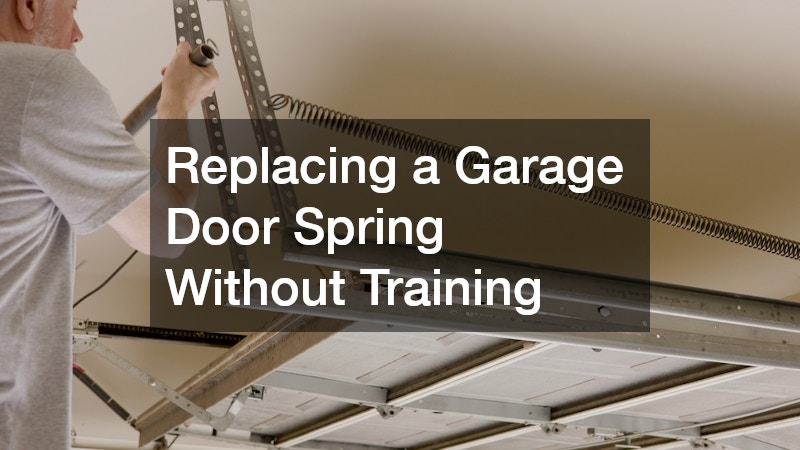
Garage door torsion springs look like a simple mechanical part, but they hold an enormous amount of stored tension that can snap back with enough force to break bones or worse. Homeowners who attempt to swap a spring themselves often underestimate how precisely the winding bars and cones need to be positioned. One slip during the winding process can send the door crashing down or launch a piece of metal across the garage.
Beyond the injury risk, a poorly installed spring puts uneven strain on the opener and the track system, which can wear out the motor far faster than normal. A qualified garage door repair technician carries the right tension tools and safety cables to handle the job without turning it into an emergency room visit. What starts as a fifty-dollar part can turn into a full door and opener replacement if the frame gets bent or the panels get dented during a failed attempt.
- Torsion springs should only be adjusted with properly sized winding bars, never screwdrivers
- A door that slams down instead of closing smoothly usually means spring tension is off
- Cables fraying near the bottom bracket are an early warning sign of imminent failure
- Skipping annual lubrication accelerates wear on rollers, hinges, and springs alike
Running New Electrical Lines Through Old Walls
Adding an outlet or rerouting wiring sounds straightforward until you realize older homes often have wiring that no longer meets code, buried behind walls with no clear map of where anything runs. Cutting into drywall blindly risks hitting live wires, plumbing lines, or even structural framing that shouldn’t be disturbed. A miswired circuit can also trip breakers constantly or, worse, create a fire hazard that goes unnoticed for months.
This is one of the few home projects where the margin for error is genuinely dangerous rather than just costly. Faulty DIY wiring is a leading cause of house fires, and insurance companies frequently deny claims tied to unpermitted electrical work. If a short does start a fire, the resulting fire damage can extend far beyond the wall it started in, affecting insulation, framing, and anything stored nearby.
- Warm outlet covers or a persistent burning smell mean stop immediately and call a professional
- Aluminum wiring found in homes built before the mid 1970s needs specialized handling
- Permits exist for a reason and protect you if you ever sell the home
- Overloaded circuits from added outlets are a common cause of nuisance tripping
Fixing a Running Toilet or Slow Drain Alone

A running toilet or a sluggish drain seems like a minor annoyance that a bit of tinkering can solve, but small plumbing issues are often symptoms of something bigger further down the line. Tightening a valve too much can crack porcelain, and using chemical drain cleaners repeatedly can corrode older pipes rather than actually clearing the clog. What looks like a five-minute fix can turn into a burst pipe or a bathroom floor that needs to be torn out.
Professional plumbing services exist precisely because water damage compounds quickly and silently, often soaking subflooring before anyone notices a problem. A licensed plumber can also spot early signs of larger issues, like a main line clog or a water heater on its last legs, during what seems like a routine visit. Catching these problems early is almost always cheaper than dealing with the aftermath of a flooded bathroom or kitchen.
- A toilet that keeps running usually points to a worn flapper or an improperly adjusted float
- Gurgling drains across multiple fixtures can indicate a blockage in the main sewer line
- Chemical drain cleaners can damage older galvanized or PVC piping over repeated use
- Water stains under sinks are an early sign of a slow leak worth investigating immediately
Removing a Large Tree in the Backyard
A leaning or dead tree in the yard can feel like a project for a chainsaw and a free Saturday, but tree removal is one of the most physically dangerous tasks a homeowner can attempt. Misjudging the direction of a fall can send a tree crashing into a roof, fence, or power line, and the weight involved makes injuries far more severe than a typical DIY mishap. Even smaller limbs, when improperly cut, can spring back with surprising force.
Professional tree removal companies carry insurance specifically because the risk of property damage is so high, and they use rigging techniques to control exactly where each section falls. Attempting this without training can mean paying for a new roof, a smashed car, or a downed power line all at once, on top of whatever the tree removal itself would have cost. In many municipalities, removing certain trees also requires a permit, especially near property lines or protected species.
- Trees leaning toward the house or power lines should always be handled by trained crews
- Root damage near a foundation can be just as costly as the tree itself falling
- Dead branches overhead pose a falling hazard even before the tree comes down
- Stump grinding is often a separate service worth budgeting for after removal
Recaulking or Reinstalling Exterior Siding
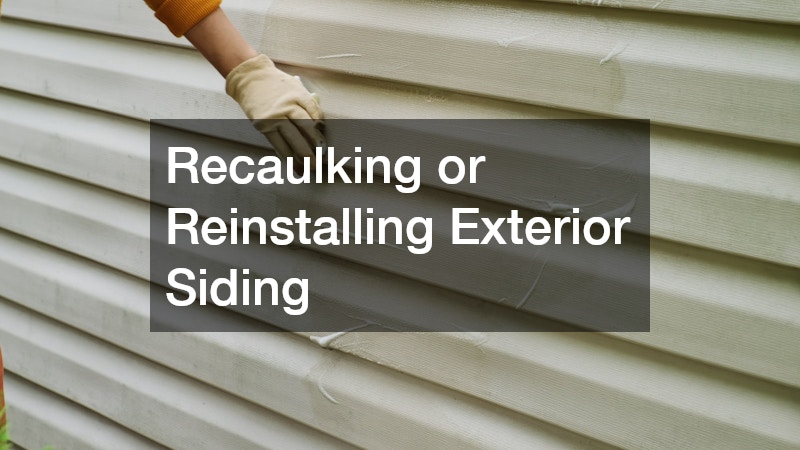
Cracked or warped siding might look like a cosmetic fix that just needs a fresh caulk line and a new panel, but siding is actually a critical barrier against water intrusion. Improper installation, gaps left around windows, or the wrong fasteners can let moisture behind the wall assembly where it causes rot long before anyone notices a visible problem. By the time stains appear on interior walls, the sheathing underneath may already need replacing.
Professional siding installation accounts for proper overlap, flashing, and expansion gaps that keep water moving away from the structure rather than trapping it. Homeowners who reface a section themselves often mismatch these details, leaving a small area that looks fine but performs poorly during heavy rain. The cost difference between fixing one panel correctly and repairing years of hidden water damage is substantial.
- Nailing siding too tightly prevents the natural expansion and contraction it needs
- Missing or improperly lapped house wrap behind siding invites moisture intrusion
- Bubbling paint or soft spots on siding often mean water is already trapped underneath
- Matching an old siding profile exactly is harder than it looks and affects resale value
Ignoring Strange Noises From the Furnace or Heater
A rattling or clicking furnace often gets ignored because it still seems to work, but unusual noises are frequently the first sign of a cracked heat exchanger or a failing blower motor. Continuing to run a unit with these symptoms can lead to carbon monoxide leaks, which are a genuine safety hazard rather than just an inconvenience. Waiting too long can also mean the difference between a simple part replacement and a full system failure in the middle of winter.
A trusted heating repair company can diagnose these noises early, often catching problems while they are still an inexpensive fix rather than an emergency replacement. Regular maintenance visits also extend the life of the unit significantly, since many failures stem from dirty filters, worn belts, or ignored maintenance schedules building up over years. Homeowners who wait until the furnace fails entirely often pay two to three times more than they would have for a proactive repair.
- A carbon monoxide detector near sleeping areas is essential if you have a gas furnace
- Short cycling, where the unit turns on and off rapidly, wastes energy and strains parts
- Yellow instead of blue burner flames can indicate incomplete combustion and a safety risk
- Annual tune-ups before the cold season catch small issues before they become expensive
Repaving a Cracked Driveway on Your Own
A few cracks in the driveway seem like an easy DIY patch job with a bag of cold patch asphalt, but surface repairs rarely address the base issues that caused the cracking in the first place. If the underlying gravel base has shifted or drainage is poor, new asphalt poured on top will crack again within a season or two. This turns what should be a one-time expense into a repeating cycle of patch jobs that never quite hold.
For larger or shared driveways, the stakes are even higher, since improper grading can send water toward a foundation instead of away from it. Contractors who specialize in asphalt parking lot paving understand how to compact the base, manage slope, and choose the right asphalt mix for climate and traffic load, whether the project is a single driveway or a full commercial lot. Getting the base right the first time is far cheaper than repeatedly patching a surface that keeps failing.
- Alligator cracking across a wide area usually signals a failing base, not just a surface issue
- Standing water on a driveway after rain points to a grading problem worth fixing early
- Sealcoating too soon after installation can trap moisture and cause premature failure
- Potholes that keep returning in the same spot often need excavation, not just filling
Handling a Full Household Move Without Help

Moving a household yourself seems like an obvious way to save money, but heavy furniture, tight stairwells, and rented trucks create plenty of opportunities for expensive damage. A dropped dresser can scratch hardwood floors, a poorly secured couch can dent a doorway, and an overloaded truck can shift its load mid-drive and damage everything inside. These small accidents add up quickly, sometimes costing more than professional help would have in the first place.
Experienced moving companies bring proper equipment like dollies, furniture pads, and ramps that reduce the physical risk to both people and property during a move. They also carry insurance that covers damage to your belongings or the property itself, which is protection a rented truck simply does not offer. For long-distance moves or homes with delicate flooring, the cost of professional movers is often smaller than the repair bills that follow a DIY move gone wrong.
- Renting equipment without knowing how to use it safely often leads to injuries or property damage
- Scratched floors and dented walls are among the most common self-move mishaps
- Overpacked boxes increase the risk of dropped items and broken belongings
- Getting quotes from multiple movers helps you compare protection plans and pricing fairly
Renovating a Condo Without Checking HOA Rules
Condo renovations come with an added layer of complexity that single-family homeowners rarely face, since shared walls, plumbing stacks, and structural elements often affect neighboring units. Removing what looks like a simple interior wall can accidentally compromise a load-bearing element shared with the unit next door. Skipping the HOA approval process can also result in fines or a forced reversal of the work, even if the renovation itself was done well.
Anyone planning condo remodeling should start by reviewing the building bylaws and getting written approval before demolition begins, since many associations require specific contractors or insurance documentation. Noise restrictions, elevator scheduling for materials, and shared utility shutoffs also need coordination that a single-family home renovation never requires. Skipping these steps can lead to disputes with neighbors, stalled projects, and unexpected costs to undo unauthorized work.
- HOA approval is often required even for interior changes like flooring or plumbing fixtures
- Shared walls may carry plumbing or electrical lines that affect multiple units
- Noise ordinances within the building can limit renovation hours significantly
- Certificates of insurance are frequently required before contractors can begin work
Conclusion
The projects that look easiest on the surface are often the ones with the most hidden complexity, and the cost of a mistake rarely shows up until much later. Before picking up a tool for anything involving your roof, plumbing, electrical system, or structure, take a moment to research whether the job truly matches your skill level. When in doubt, a quick consultation with a qualified professional almost always costs less than fixing a botched repair down the road. Protecting your home means knowing not just how to fix things, but when to step back and let an expert handle it.
