
Planning a single home repair is stressful enough, but when several systems start failing around the same time, many homeowners assume they have to tackle each project separately and pay full price for every trip a contractor makes to the house. In reality, bundling renovations often unlocks shared labor costs, combined material orders, and scheduling efficiencies that most people never think to ask about. This article breaks down which systems pair well together, why timing matters, and how coordinating projects can quietly save thousands of dollars. If you are staring down a to-do list that includes your roof, driveway, yard, and HVAC system, read on before you book anyone separately.
Coordinating Roof and Exterior Repairs Together

When a roof reaches the end of its lifespan, it rarely fails alone. Years of water intrusion, ice damming, or storm damage often affect siding, gutters, and even the fencing along your property line at the same time. A thorough inspection during roof replacement frequently uncovers rotted fascia boards, warped fence posts, or corroded gutter runs that homeowners hadn’t noticed from ground level. Scheduling roofing contractors and fencing contractors during the same season allows both crews to share dumpster rentals, permit trips, and staging equipment, which can shave a meaningful percentage off your total bill. In practice, this might mean one 30-yard dumpster serving both job sites instead of two separate rentals, saving anywhere from $300 to $600 depending on your region. Combined permit applications can also reduce municipal filing fees and cut down on the back-and-forth scheduling that usually delays inspections. There’s a labor efficiency angle too: crews already on-site for material delivery, scaffolding, or debris removal can often extend their setup to cover adjacent work without charging a full second mobilization fee. Some contractors will even offer a bundled discount of 5-10% when they know two projects are running concurrently, since it guarantees a longer, steadier job for their crew. Ask your contractor directly whether they offer multi-project pricing, as this discount often isn’t advertised upfront. Timing matters as well. Late summer and early fall tend to be the sweet spot for coordinating roof and fence work, since both trades have wrapped up spring backlog but haven’t yet hit the pre-winter rush, giving you more flexibility to negotiate scheduling and prices.
There is also a practical safety argument for combining these projects. Heavy equipment like lifts and scaffolding needed for roof work can also assist with fence post installation, gate alignment, gutter replacement, or siding repairs if crews coordinate their visits. A single scaffold setup along the back of a house, for instance, can serve roofers one day and exterior painters or window installers the next, eliminating the need to erect and dismantle equipment multiple times. Rental costs for this kind of equipment add up quickly, and they’re often billed by the day or week regardless of how much work actually gets done. A boom lift can run $300 to $500 per day, while scaffolding rental for a mid-sized home might cost $150 to $250 per week plus delivery fees. Homeowners who schedule roofing, gutter, and exterior jobs independently often pay for that equipment rental two or three times instead of once, simply because separate contractors each need their own access setup. Coordinating these visits also reduces the number of times workers are climbing ladders or navigating rooftops, which lowers the overall risk of falls and equipment-related accidents. Fewer setup-and-teardown cycles mean fewer opportunities for something to go wrong. For homeowners, that translates into shorter project timelines, less disruption to landscaping and walkways, and one less set of insurance and liability concerns to track across multiple contractor visits.
- Ask contractors if they can share a dumpster or debris haul-away fee — a single 20-yard dumpster rental ($400-$600) split between roofers and siding crews can cut disposal costs nearly in half
- Request combined material delivery windows to reduce delivery surcharges, since many suppliers charge $75-$150 per separate truck trip
- Confirm both crews carry compatible insurance for overlapping work zones, including general liability and workers’ comp certificates naming you as an additional insured
- Verify that ladder placement, scaffolding, and staging areas won’t create liability gaps between the two crews’ coverage
- Time exterior projects for dry seasons to avoid weather delays on both fronts, ideally scheduling roofing before siding or gutters so debris and fasteners don’t damage new exterior finishes
- Build a one- to two-day buffer into the shared schedule so a delay on one crew doesn’t cascade into costly rebooking fees for the other
Pairing Outdoor Living Upgrades With Backyard Landscaping
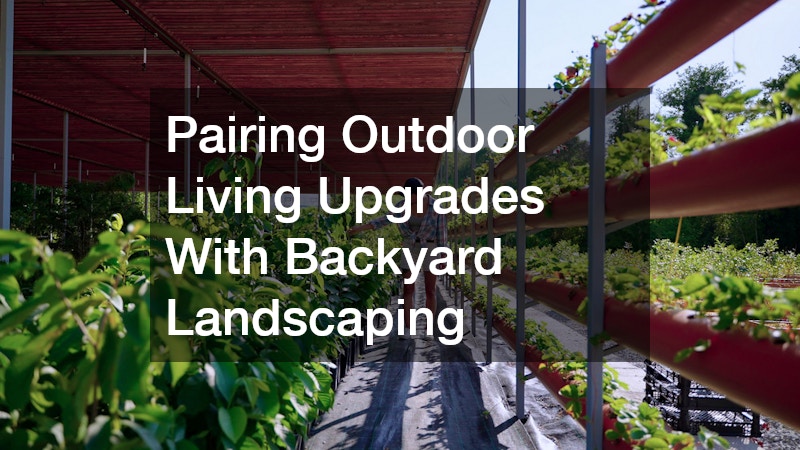
Backyard renovations tend to snowball once homeowners start pulling up old concrete or replacing a worn pool deck. If you already have equipment and crews on site for pool deck resurfacing, it is the ideal moment to also address drainage issues, retaining walls, or planting beds nearby. Waiting until the following year almost always means paying a second mobilization fee just to get trucks and materials back onto your property.
A well-timed visit to a plant nursery during this same renovation window can help you select trees, shrubs, and ground cover that will thrive around your newly resurfaced patio without interfering with drainage lines or irrigation trenching that crews just completed. Choosing plants before the hardscape work finishes also lets landscapers coordinate root barriers and soil grading in one pass rather than digging up finished work later.
- Group pool deck resurfacing with any planned patio or walkway upgrades
- Select drought tolerant plants suited to your climate zone before finalizing irrigation lines
- Ask your nursery about delivery timing so plants are not sitting in pots during construction
Combining Foundation and Concrete Work Across the Property

Driveways, walkways, foundations, and garage slabs all fall under similar expertise, and tackling them together can reduce both material costs and labor time. Concrete contractors typically order aggregate, rebar, and forms in bulk, so combining a driveway replacement with a walkway repair or patio extension often qualifies you for a better price per square foot than ordering each job individually. Mobilizing a concrete crew and their equipment just once for multiple pours also cuts down on the setup and cleanup fees that get billed separately for smaller, standalone jobs.
Timing matters here too, since concrete cures best in moderate temperatures and low humidity. Scheduling several concrete projects within the same seasonal window means you are not gambling on weather conditions multiple times throughout the year. It also means any leftover material from a larger order can sometimes be applied to a smaller secondary project at little extra cost.
- Bundle driveway, sidewalk, and patio pours into a single project timeline
- Ask about bulk material pricing when multiple concrete jobs are scheduled together
- Confirm curing schedules do not conflict with other exterior work happening simultaneously
Scheduling Interior Flooring Alongside Plumbing or Electrical Updates
Interior renovations often get delayed because homeowners are afraid of ripping up floors twice. If you know that plumbing services will be needed to reroute pipes under a bathroom or kitchen, it makes sense to schedule new flooring installation for immediately afterward rather than months later. This sequencing prevents new carpet or tile from being damaged by construction dust, dropped tools, or repeated foot traffic from unrelated repair crews.
Visiting a carpet store early in the planning process, before plumbing or electrical work even begins, helps you select materials and confirm lead times so installation can happen the moment other trades finish. Many flooring retailers offer scheduling flexibility when they know a home is mid-renovation, and ordering materials in advance avoids the frustration of living with exposed subfloor for weeks while waiting on a shipment.
- Order flooring materials before plumbing or electrical work concludes to avoid delays
- Protect existing floors with coverings during any pipe or wiring access points
- Ask your flooring retailer about post-construction installation scheduling discounts
Timing HVAC Replacement With Insulation and Roofing Projects
Heating and cooling systems work harder when insulation is poor or roofing is compromised, so replacing an aging unit without addressing those underlying issues often leads to disappointing energy savings. If your roof is already being replaced, it is worth asking the best AC installation company in your area whether they can inspect ductwork accessible through the attic while roofing materials are already removed. This avoids paying separately later for access that only exists during roof replacement.
Bundling HVAC replacement with insulation upgrades also qualifies many homeowners for combined utility rebates or manufacturer promotions that are not available when projects are spaced months apart. Because both jobs typically involve attic access, scheduling them close together reduces the number of times crews need to protect flooring, move furniture, or seal off work areas inside the home.
- Ask HVAC technicians to inspect ductwork while roofing crews have attic access open
- Look into combined rebates for insulation and HVAC upgrades completed in the same year
- Schedule attic-related projects together to limit repeated interior disruption
Addressing Below Grade Water Management During Foundation Work
Basements and crawl spaces often get overlooked until water damage forces the issue, but if you are already having exterior work done, it is worth inspecting drainage points around the foundation. Window well grates are a small, inexpensive addition that prevent debris, leaves, and small animals from clogging window wells, and installing them while excavation equipment is already on site is far cheaper than calling someone back for a standalone visit. This is also a good time to check that downspouts and grading direct water away from the foundation rather than pooling near it.
Many homeowners do not realize how affordable these smaller fixes become when bundled with larger projects already underway. A five minute conversation with your contractor about window wells or grading adjustments can prevent a much more expensive basement flooding repair down the road.
- Inspect window wells for clogging or standing water during any foundation related work
- Confirm downspouts direct water at least five feet away from the foundation
- Ask contractors about grading adjustments while heavy equipment is already accessible
Planning New Construction Or Major Additions Near Water

For homeowners building near lakes or planning significant additions, coordinating every system from the start prevents costly rework later. Working with a lake home builder center homeowners trust, for example, allows you to plan plumbing, electrical, HVAC, and foundation work around lake elevation changes, seasonal moisture, and local permitting requirements all at once rather than discovering conflicts mid-project. Builders familiar with lakefront construction also understand which materials hold up best against humidity and fluctuating water tables.
Coordinating these systems during initial construction, rather than retrofitting later, typically costs significantly less because walls and foundations are still open and accessible. It also reduces the chances of code violations that can arise when systems are added piecemeal without a unified plan.
- Discuss elevation and drainage planning before foundation work begins
- Ask about materials rated for humidity and moisture exposure near water
- Confirm local permitting requirements are addressed during initial design phases
Sequencing Multiple Contractor Visits To Avoid Repeated Costs
One of the biggest hidden expenses in home renovation is the trip charge, the flat fee many contractors bill simply for showing up regardless of job size. When homeowners schedule projects randomly throughout the year, they end up paying this fee repeatedly for work that could have been consolidated into two or three organized visits. Creating a master renovation calendar before contacting any contractor helps you group similar trades and negotiate better overall pricing.
Communication between trades also matters more than most homeowners expect. If a plumber knows a flooring crew is coming next, they can leave access panels in better condition. If an electrician knows HVAC work is scheduled afterward, they can pre-run wiring for a new thermostat. This kind of sequencing only happens when homeowners actively coordinate rather than letting each contractor operate in isolation.
- Build a renovation timeline before contacting individual contractors
- Group trades by shared access needs, such as attic, crawl space, or exterior walls
- Ask each contractor what preparation would help the next crew scheduled after them
Renovating multiple systems at once requires more upfront planning, but the payoff in reduced trip charges, shared equipment costs, and fewer disrupted weekends is substantial. Start by listing every project on your radar, then group them by shared access points, seasonal timing, and overlapping expertise before reaching out to contractors. A little coordination now can turn what feels like an overwhelming renovation season into a streamlined, budget friendly project plan.
