
The sky finally clears, the winds die down, and the heavy rain tapers off into a drizzle. For a suburban homeowner, the relief of the storm passing is immediately followed by a sense of trepidation. You look out the window and see a landscape transformed: debris is scattered across the lawn, a fence panel is leaning at a precarious angle, and the rhythmic sound of a drip in the attic suggests the roof didn’t fare as well as you hoped.
Assessing the Damage Safely From the Ground
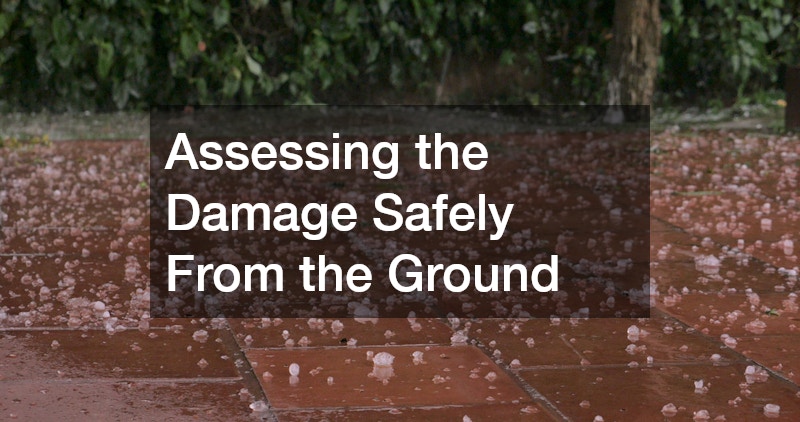
The immediate aftermath of a storm is often the most dangerous time for a homeowner. Before you even step off your porch, look up. Downed power lines can be hidden under fallen branches, and saturated soil can make large trees unstable even after the wind has stopped. Wear sturdy, closed-toe boots and work gloves as you begin your walk-around.
If you spot massive limbs resting on your roof or see a tree that has partially uprooted, you should immediately contact a professional tree service to stabilize the situation. Attempting to move heavy wood yourself, especially if it is tangled in utility lines or leaning against a structure, is incredibly risky. These experts have the rigging and chainsaws necessary to dismantle heavy debris without causing secondary damage to your shingles or gutters.
When inspecting the house itself, look for the following red flag indicators:
- Missing or Displaced Shingles: Look for “bald spots” on the roof or granules accumulating in large quantities at the base of your downspouts.
- Dented Metalwork: Check the vents, valleys, and flashing for small indentations that look like hammer marks; these are signs of high-velocity hail.
- Window and Door Seals: Inspect the frames for cracks or moisture seepage that indicates the pressure of the wind forced water past the weatherstripping.
Prioritizing Structural Integrity and Overhead Protection
Your roof is the first line of defense for your entire home. If it is compromised, every other interior asset—from your drywall to your electronics—is at risk. After a storm, a “wait and see” approach is the most expensive mistake you can make. Water follows the path of least resistance, often traveling down rafters and pooling in areas far from the original leak.
If you suspect any breach in your attic or see light through the roof boards, you should call a reputable residential roofing service for an emergency inspection. They can provide professional-grade tarping that is weighed down and secured properly, unlike a DIY tarp that might blow away in the next gust of wind. This temporary measure gives you the breathing room needed to wait for an insurance adjuster without worrying about the next rain shower ruining your ceiling.
- Attic Check: Use a flashlight to look for dark stains on the wood, damp insulation, or a musty smell.
- Gutter Alignment: Ensure gutters haven’t pulled away from the fascia boards; heavy ice or debris can bend the hangers, leading to foundation flooding.
- Chimney Flashing: Check the metal “collar” where the chimney meets the roof; this is a common point of failure after high-vibration wind events.
Addressing Critical Tree Hazards and Debris
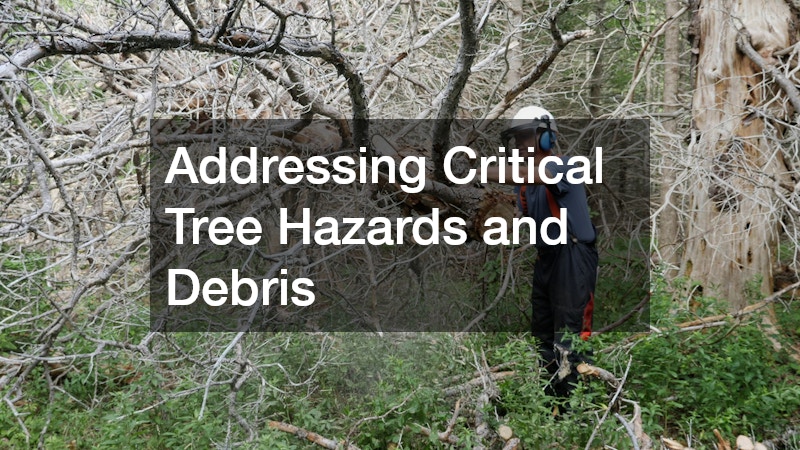
Suburban landscapes often feature mature trees that provide shade and beauty, but these same trees become liabilities during extreme weather. Wind-thrown debris can range from small twigs to massive structural limbs. It is important to distinguish between “cleanup,” which involves raking leaves, and “hazard mitigation,” which involves heavy machinery.
In many cases, a tree may be so badly damaged or split that it poses an ongoing threat to your home or your neighbor’s property. When a trunk is cracked or the root ball is visibly lifting from the earth, tree removal is the only responsible option. Removing a dead or dying tree promptly prevents it from falling during a subsequent, smaller storm, which could lead to much higher repair costs or personal injury.
- The Tap Test: Gently tap the trunk with a mallet; a hollow sound can indicate internal rot that the storm has exacerbated.
- The Lean Factor: If a tree was straight yesterday and is leaning today, the root system has failed.
- Hanging Limbs: Identify “widow-makers”—branches that have snapped but are still caught in the upper canopy.
Evaluating Perimeter Security and Property Boundaries
A fence is more than a boundary; it provides privacy, contains pets, and secures swimming pools. Storms often target fences because they act as a sail, catching the full force of the wind. Even if the panels look straight, the posts may have snapped below the soil line, or the concrete footings may have been “heaved” by the saturated ground.
If you find that your perimeter is no longer secure, it is time to consult with a professional fence company. They can determine if the failure was due to wind speed or if the wood has succumbed to ground rot, which would necessitate a full replacement of the support system. A sturdy fence is a legal requirement in many municipalities if you have a pool, making this a high-priority repair.
- Post Stability: Walk the length of the fence and give each post a firm shake to check for underground breakage.
- Hardware Inspection: Look for rusted hinges or gate latches that may have been bent or snapped by the wind.
- Debris Impact: Check for holes in the fencing caused by flying objects like trash cans or stray branches.
Managing Complex Roof Restoration and Insurance Claims
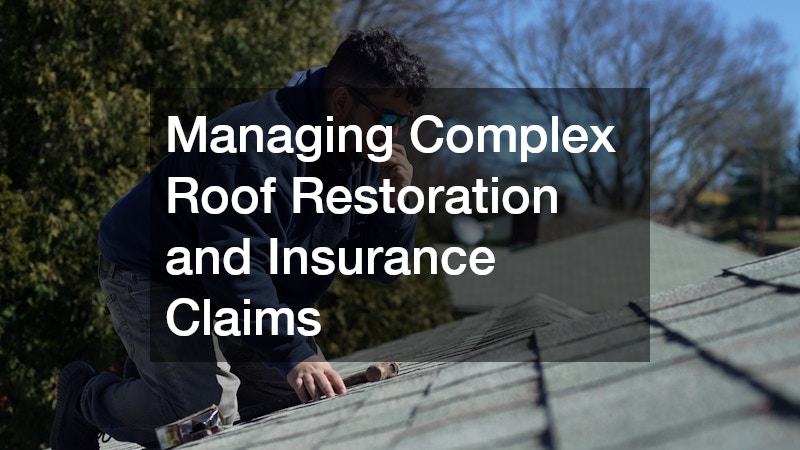
Filing an insurance claim for roof damage is a technical process that requires more than just a few cell phone photos. Most adjusters are looking for specific evidence of “peril-related” damage, such as the specific bruising patterns of hail or the characteristic “lifting” of shingles caused by high-pressure wind gusts.
Experienced roofing contractors are invaluable during this phase because they speak the language of the insurance companies. They can walk the roof with the adjuster to ensure that every point of damage is documented and that the final estimate includes necessary code upgrades. Their documentation can be the difference between a partial patch job and a full, warranted replacement that restores your home’s resale value.
- Documentation: Take photos of your yard before the cleanup starts to prove the intensity of the storm.
- Contractor Choice: Only work with local, licensed, and insured professionals who provide a physical address.
- Contract Details: Ensure the scope of work includes debris removal and a magnetic sweep of the yard to catch stray nails.
Restoring Privacy and Aesthetic Borders
Once the heavy equipment has left and the major structural threats are gone, you can turn your attention to the aesthetics of your property. A damaged or missing fence can make you feel exposed in your own backyard, affecting your quality of life. Replacing these barriers is an opportunity to upgrade to more wind-resistant designs, such as “shadowbox” fencing that allows air to flow through the slats.
Hiring skilled fence contractors ensures that your new boundary is perfectly level and meets all local zoning codes regarding height and setback. They can also advise on materials that are less likely to warp or rot in the wake of heavy rains, such as vinyl or pre-stained cedar. A well-installed fence not only restores your privacy but also defines the edges of your property, making the rest of the restoration look more organized.
- Material Choice: Consider vinyl for low maintenance or pressure-treated wood for cost-effectiveness.
- Grade Changes: If the storm caused erosion, your fencing may need to be “stepped” to match the new ground level.
- Gate Function: Ensure all gates swing freely and clear the ground, as soil can shift and swell after heavy rain.
Clearing the Canopy and Encouraging Growth
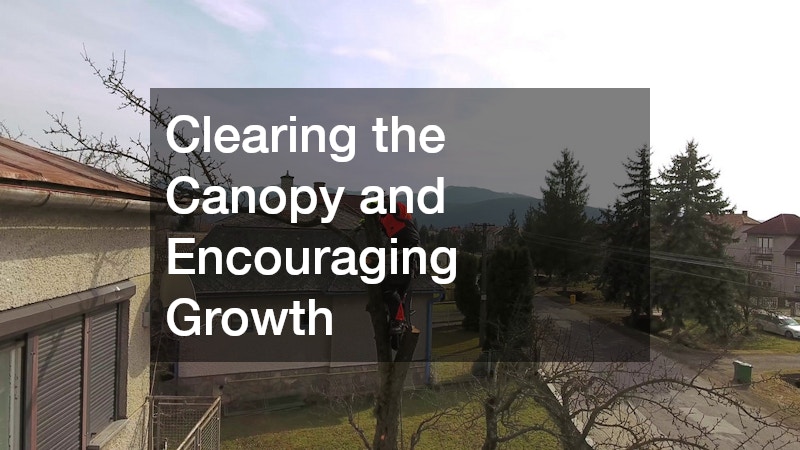
Trees that survived the storm often look “shredded” or lopsided. This isn’t just an aesthetic issue; it’s a health concern. Jagged, torn wood where branches snapped off provides an easy entry point for pests and fungal diseases. Clean, surgical cuts are necessary to help the tree seal its wounds and begin the healing process.
A professional tree company can perform specialized pruning to “thin the crown,” which reduces the wind resistance of the tree for the future. By removing the weak interior growth and deadwood, they allow the wind to pass through the branches rather than pushing against them like a solid wall. This proactive maintenance significantly reduces the likelihood of limb failure during the next season’s storms.
- Sucker Growth: Watch for small, weak sprouts growing from the base of the tree; these are signs of stress.
- Mulching: Apply a fresh layer of mulch around the base of trees to help regulate soil temperature and moisture during the recovery period.
- Fertilization: Avoid heavy nitrogen fertilizers immediately after a storm, as the tree needs to focus on root repair rather than rapid foliage growth.
Revitalizing the Ground Cover and Soil Health
Your lawn often bears the brunt of the storm repair process itself. Between the heavy foot traffic of workers and the weight of trucks or dumpsters, the soil becomes severely compacted. Furthermore, if you had standing water in your yard for more than 24 hours, the grass roots may be “drowning” due to a lack of oxygen in the soil.
Investing in local lawn care is the best way to reverse this damage. A professional can provide core aeration, which pulls small plugs of soil out of the ground to allow air, water, and nutrients to reach the root zone again. They can also apply a “starter” fertilizer and top-dress the area with organic compost to fill in the ruts left by heavy machinery and encourage new grass to fill in the bare spots.
- Leveling: Use a mix of topsoil and sand to fill in deep ruts before they become permanent trip hazards.
- Overseeding: Use a high-quality seed blend that matches your existing turf to ensure a seamless look.
- Drainage Check: Observe where the water pools during the next light rain; you may need to install a French drain or a rain garden if the storm altered your yard’s natural slope.
Protecting Specialized Exterior Features
Suburban homes often feature lifestyle additions like pergolas, gazebos, and retractable shade systems. These items are often more fragile than the house itself. Fabric elements can be torn by hail, and aluminum frames can be bent by falling branches or the sheer force of a microburst.
If your outdoor living area feels less comfortable because your shade structure is damaged, a residential awning expert can evaluate the frame’s integrity. Often, the mechanical components are still functional, and only the fabric needs to be replaced. This is also a great time to consider upgrading to a wind-sensor model that automatically retracts when the wind reaches a certain speed, preventing future damage.
- Frame Inspection: Check the mounting points where the structure attaches to your home; ensure the bolts haven’t been loosened by vibration.
- Fabric Cleaning: If the fabric is intact but covered in debris or mildew from the rain, use a mild soap and a soft brush to prevent staining.
- Motor Test: If you have an electronic system, ensure the motor hasn’t been shorted out by excessive moisture before trying to operate it.
Coordinating Multiple Contractors for a Seamless Finish
One of the most difficult parts of storm recovery is the “contractor dance.” You may have four or five different companies working on your property at once. Managing the schedule is vital; you don’t want the fence builders working in the same spot where the roofers need to park their dumpster.
Communication with your roofers is the most important link in this chain. Since they deal with the most significant structural risk, their timeline should dictate the rest of the repairs. Ask them for a clear start and end date, and communicate those dates to your landscapers and fence builders so that the “finish” work isn’t ruined by the “heavy” work.
- Centralized Planning: Use a simple calendar or a digital app to track who is coming on which day.
- Access Points: Make sure all contractors know where they can park and where they can store materials without damaging the lawn.
- Waste Management: Confirm that each contractor is responsible for their own debris removal so you aren’t left with a pile of shingles and wood scraps.
The transition from a storm-damaged yard to a restored home requires patience and a systematic approach. While the sight of a downed tree or a leaking roof is stressful, these moments also provide an opportunity to strengthen your home’s exterior and improve its overall resilience. By tackling repairs in the correct order—safety first, structure second, and aesthetics third—you protect both your financial investment and your family’s peace of mind.
