
Picking Up the Pieces: A Comprehensive Guide to Restoring Your Property After Severe Weather
The silence that follows a severe storm can be as unsettling as the noise that preceded it. Whether you have just weathered a hurricane, a tornado, or a severe blizzard, the immediate aftermath is a time of high emotion, confusion, and adrenaline. Looking at your property, which may be battered or partially destroyed, can feel overwhelming. Where do you start when everything seems to be in disarray?
Panic is the enemy of recovery. While the urge to immediately start cleaning up is natural, rushing into a damaged structure without a plan can be dangerous and detrimental to your insurance claim. The path to restoration is a marathon, not a sprint. It requires a methodical approach, prioritizing human safety above all else, followed by structural stabilization, detailed documentation, and finally, repair.
Before you pick up a single piece of debris, ensure that local authorities have given the “all clear.” No possession is worth risking injury or life. Once it is safe to return, your primary goal shifts to assessment and mitigation—stopping the damage from getting worse.
This guide is designed to serve as your roadmap. We will walk you through the essential phases of recovery, from the critical first hours of safety checks to the complexities of managing contractors and insurance claims. By following these steps, you can ensure your home is not just repaired, but restored to a safe, secure, and comfortable haven once again.
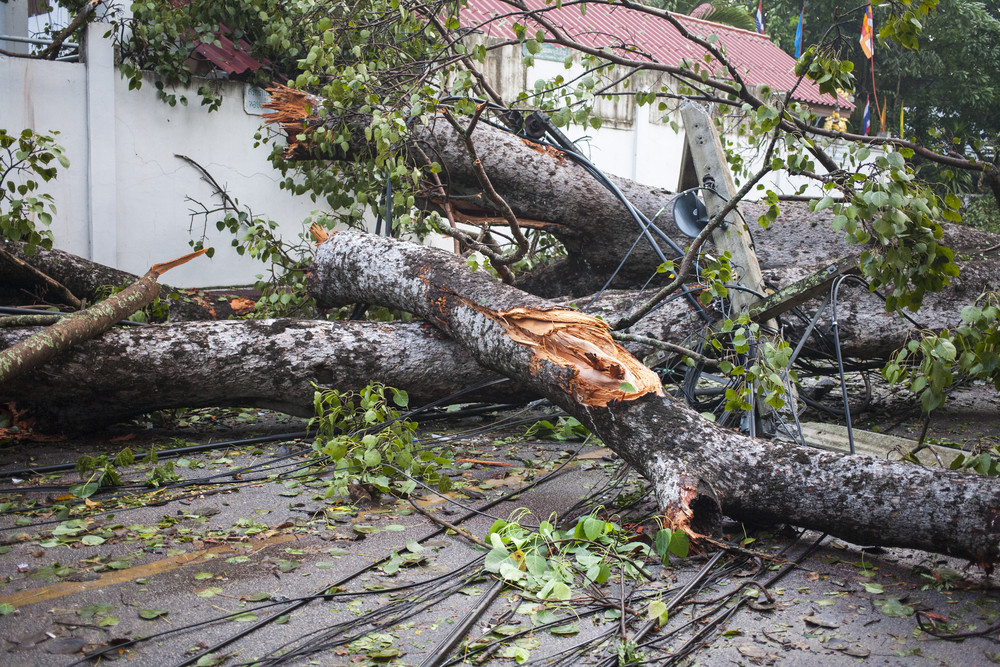
Prioritize Personal Safety and Utility Integrity
The most dangerous period of a storm is often right after it passes. Debris, hidden structural failures, and compromised utilities create a minefield of hazards. Before you worry about broken windows or missing shingles, you must ensure the fundamental systems of your house are not ticking time bombs.
Electrical Hazard Awareness
Water and electricity are a lethal combination. If your home has suffered flooding or significant water intrusion, assume all electrical systems are energized and dangerous until proven otherwise. Do not wade into a flooded basement to check the breaker box. Standing water can conceal live wires, and even damp concrete can conduct electricity.
If you suspect damage to your wiring or if water has reached your outlets, do not attempt to restore power yourself. Flipping a breaker on a water-logged system can cause an arc flash or an immediate fire. Instead, you must contact professional electrician services to perform a safety disconnect and inspection. They have the testing equipment necessary to determine which circuits are grounded or shorted and can safely isolate your home from the grid before restoration work begins.
Safety Checklist for Utilities:
* Smell for Gas: If you smell rotten eggs, leave immediately and call the utility company from a safe distance.
* Check for Sparking: Look for blackened outlets or buzzing switches.
* Inspect the Service Drop: Ensure the line connecting the street pole to your house has not been pulled away from the wall.
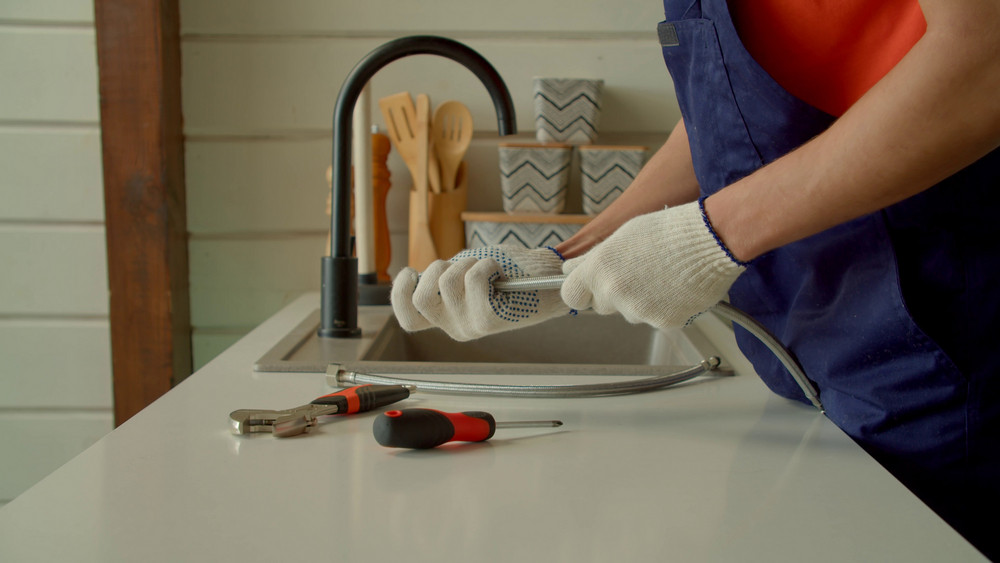
Assess Structural Integrity and Rebuilding Needs
Once utilities are secured, you must look at the “bones” of your property. High winds, heavy snow loads, and impact from falling trees can do more than just cosmetic damage; they can compromise the load-bearing capacity of the building.
Evaluating the Frame and Foundation
It is vital to determine if the storm has affected the core stability of the building before beginning cosmetic repairs. Severe weather can exert racking forces that shift the home construction framework, leading to bowed walls, cracked foundations, or rooflines that sag dangerously. If you notice doors that no longer close properly, windows that have shattered from frame compression, or horizontal cracks in your basement walls, the structural integrity of the house may be compromised.
In cases of severe structural damage, the restoration process often moves beyond simple repairs and into the realm of partial reconstruction. You may need to engage general contractors who understand local building codes to shore up load-bearing walls or rebuild entire sections of the house. This phase is critical; ignoring structural shifts now can lead to catastrophic failure years down the road.
The Role of Professional Inspections
While you can perform a visual check, a professional eye is often required to spot the subtle signs of structural stress. This is where a licensed roofing contractor becomes an essential early partner. While their primary focus is the roof, an experienced contractor can often tell by looking at the ridge line and the eaves if the underlying trusses have been damaged.
A qualified contractor will inspect the attic space for split rafters and verify that the roof deck is still securely attached to the walls. They can provide a detailed report distinguishing between surface-level damage and deep structural issues, which is a crucial document for maximizing your insurance settlement.
Key Structural Warning Signs:
* Separation: Look for gaps where the chimney meets the siding or where the porch connects to the house.
* Drywall Cracks: Diagonal cracks extending from the corners of door frames often indicate a shifted foundation.
* Uneven Floors: If you place a marble on the floor and it rolls quickly to one side, the house may have settled unevenly.
Secure the Exterior Envelope
The roof is your home’s first line of defense, and if it is compromised, every subsequent rainstorm will compound your losses. “Mitigation” is the industry term for taking reasonable steps to prevent further damage, and it is a requirement for most insurance policies.
Temporary Measures and Permanent Fixes
It is rare for a home to escape a severe storm with the roof entirely unscathed. Missing shingles, cracked tiles, or torn flashing are common issues that leave the wood decking exposed to the elements. If it is safe to do so, you may need to apply emergency tarps to stop water intrusion immediately. However, tarping is only a temporary bandage.
Permanent restoration requires skilled roof repair. Do not attempt to fix structural rotting or large holes yourself. Improperly patched roofs can trap moisture, void material warranties, and lead to denied insurance claims later. A professional repair ensures that the water barrier is seamless and that the new materials match the existing ones in both function and aesthetic.
Choosing the Right Provider
When selecting a team to handle your exterior, you must be diligent. Storms often bring out “storm chasers”—transient workers who may not be around to honor a warranty next year. It is safer to rely on established roofing companies that have a physical presence in your community.
Local companies understand the specific weather patterns of your region and build accordingly. They are also more likely to have existing relationships with local insurance adjusters, which can streamline the claims process. When vetting companies, ask for proof of insurance and a list of local references to ensure you are dealing with a reputable entity.
Inspect Plumbing and Gas Lines for Hidden Damage
While roof damage is obvious, damage to your plumbing and gas systems is often silent and insidious. Storms can cause houses to shift slightly, or freezing temperatures associated with winter storms can cause pipes to burst in hidden areas.
Pressure and Pipe Integrity
After a major weather event, you must verify that your water supply and waste lines are intact. A cracked supply line behind a wall can pour hundreds of gallons of water into your home before you even notice a damp spot. If you detect a musty smell or hear running water when all taps are off, you likely have a leak.
If you suspect compromised pipes, shut off the main water valve immediately. Do not try to tear open drywall to locate a leak yourself, as you may cause unnecessary damage to electrical or structural components. Call a certified plumber to use thermal imaging or acoustic listening devices to pinpoint the break. Quick action here can save your flooring and drywall from needing total replacement.
Appliance Evaluation and Replacement
Basements and utility rooms are often the first places to flood. If your water heater, furnace, or boiler was submerged in water—even for a short time—it is likely compromised. Floodwater contains silt, bacteria, and corrosive agents that destroy the delicate valves, burners, and electronics inside these units.
Many homeowners make the mistake of drying out their water heater and trying to relight it. This is incredibly dangerous. The controls on gas units can corrode, leading to gas leaks or failure of the safety shut-off mechanisms. If your unit was touched by floodwater, the safest route is replacement. Schedule a water heater installation service to remove the contaminated unit and install a new, energy-efficient model. This is almost always a requirement for code compliance after a flood.
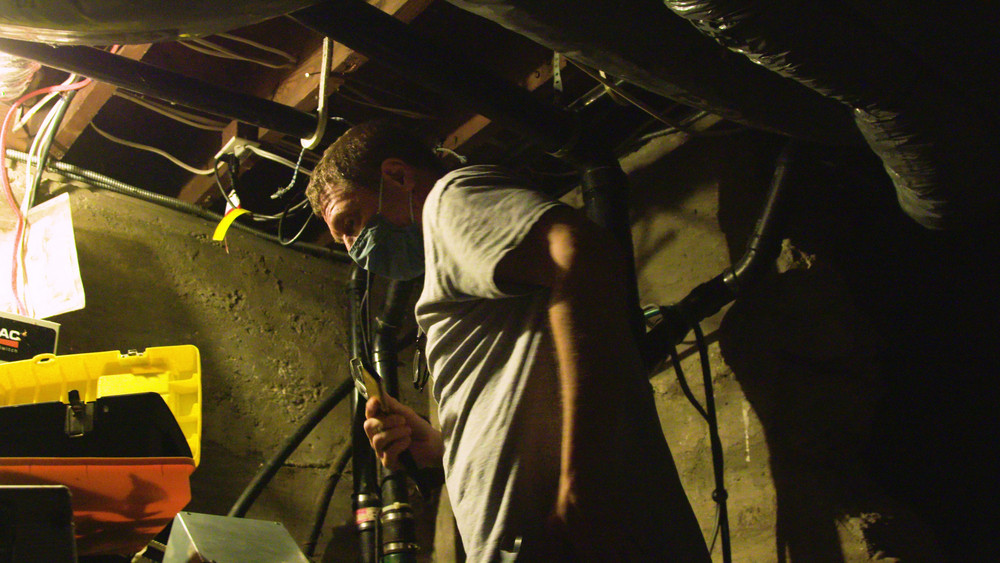
Restore Interiors and Entryways
The exterior shell protects the interior, but when the shell is breached, the inside of your home suffers. Furthermore, entry points like garage doors and sliding glass doors are common failure points during high-wind events.
Securing Access Points
Your garage door is likely the largest moving object in your home and the largest opening in your structural envelope. During a storm, strong winds can push against the door, bending the panels or derailing the rollers. If the garage door fails, the sudden change in internal pressure can actually blow the roof off a house.
After the storm, check the vertical tracks and the tension springs. If the door is jammed, hanging crookedly, or making grinding noises, do not force it open with the automatic opener. You risk burning out the motor or causing the heavy door to collapse. Contact experts in local garage door installation and repair to reset the tracks or replace bent panels. Securing this entryway is vital for protecting the rest of your belongings while you work on other repairs.
Turning Disaster into Opportunity
Once the exterior is secure, you can turn your attention to the interior living spaces. Water intrusion wreaks havoc on kitchens and bathrooms. Particleboard cabinets act like sponges, soaking up water and swelling permanently. Laminate countertops can delaminate, and hardwood floors will cup and buckle.
If the damage is extensive, you may be looking at a “gut renovation” for certain rooms. While devastating, this presents an opportunity to modernize. Instead of simply replacing what was lost, you might consult a kitchen remodeler to redesign the layout. A professional can help you select water-resistant materials, such as marine-grade plywood for cabinets or waterproof luxury vinyl plank flooring, which will make your home more resilient against future disasters.
Interior Assessment Tips:
* Map the Moisture: Use a moisture meter to check drywall and studs. Just because a wall feels dry to the touch doesn’t mean it is dry inside.
* Mold Prevention: If wet drywall is not removed or dried within 24 to 48 hours, mold will set in.
* Documentation: Keep samples of damaged materials (like a square of carpet) to show the insurance adjuster the quality of what was lost.

Verify Contractor Specialization
The final, and often most stressful, phase of restoration is managing the business side of the disaster: dealing with contracts and scope of work. Ensuring you hire the right specialist for the right job is critical for a lasting repair.
Commercial vs. Residential Expertise
It is crucial to understand that not all roofing and construction companies are created equal. You may encounter a commercial roofing company that is eager to take on your residential repair job. While these companies are experts in their field, they typically specialize in flat roofs (TPO or EPDM) for warehouses and office buildings.
Residential roofs have different ventilation requirements, slope dynamics, and aesthetic needs compared to commercial buildings. A commercial specialist might lack the specific inventory of architectural shingles or the warranty structures suited for a single-family home. Always verify that your contractor’s primary focus aligns with your specific property type to ensure the materials and methods used are appropriate for your home’s unique construction.
Finalizing the Contract
Before signing any agreement, ensure the scope of work is detailed and comprehensive. The contract should list every material to be used, from the brand of shingles to the type of underlayment.
* Payment Schedule: Never pay the full amount upfront. A standard arrangement is a deposit for materials, with the balance due upon completion and inspection.
* Lien Waivers: Request lien waivers from your contractor to ensure they have paid their suppliers, protecting you from future financial liability.
Restoring a home after severe weather is a journey that tests your patience and resolve. It is a process filled with technical decisions, financial negotiations, and hard work. However, by taking a systematic approach—securing safety first, mitigating further damage, and hiring the right professionals—you can navigate this difficult time with confidence.
Use this experience to not only repair your home but to improve it. Whether it is installing impact-resistant windows, upgrading your drainage, or choosing more durable building materials, every repair is a chance to future-proof your property. Eventually, the debris will be cleared, the noise of construction will fade, and you will be left with a home that is stronger and safer than it was before.
